Choose between cover repair, joint work and replacement only after the actual damage and reinforcement condition have been assessed. A patch size or fastener code is not proof that the proposed intervention is structurally suitable.
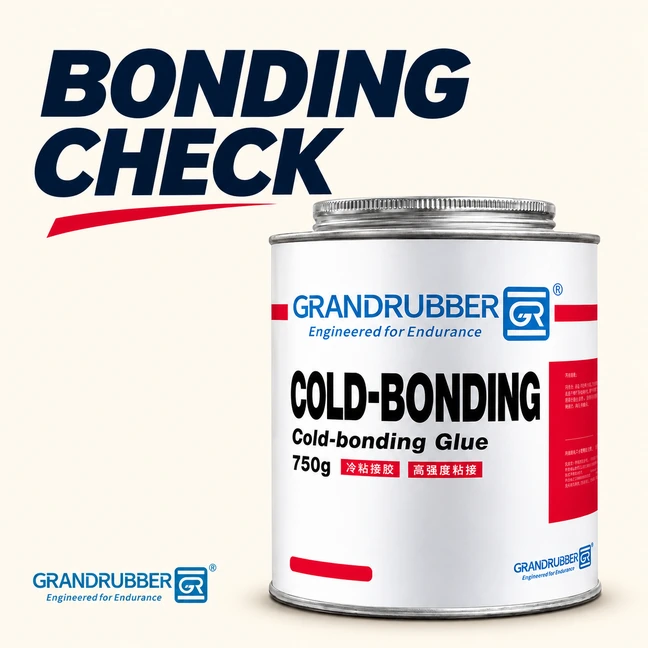
Identify the complete supplied cold-bonding system and obtain its applicable instructions and safety data. An adhesive name alone does not define its primer, cleaner, hardener, substrate compatibility or application conditions.
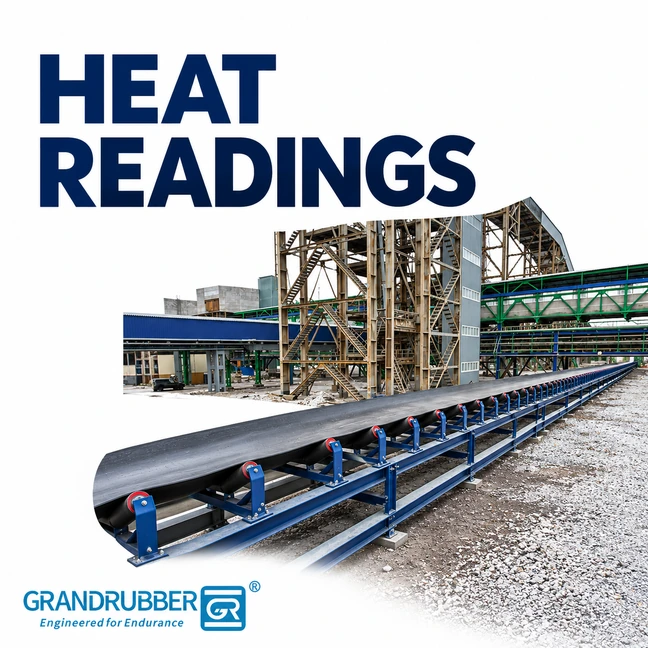
Keep continuous material, temporary material peaks and measured belt-surface temperatures as separate records. Each needs a location, method, duration or frequency and operating context before it can be used in a heat-duty discussion.
Match each document to the specific claim it supports: a product description, a result for an identified specimen, or certification of a stated scope. More files do not close an evidence gap if they concern a different item or question.
EP and NN names do not establish interchangeable conveyor belts. Compare the declared textile carcass, complete construction and response required by the equipment before accepting a change, even when nominal strength or ply count appears to match.
Hardness is one material property, not a wear-lining selection rule. Compare the actual damage and mounting duty with identified material evidence measured on a compatible basis before choosing a lining.
Compare conveyor belt offers against one requirement revision, identify technical departures first, and align quantity and supply boundaries before comparing price. An unpriced or unconfirmed difference remains an open decision, not an assumed saving.
For hot clinker or sinter, review the exposure record with the complete belt construction and conveyor conditions. Keep continuous material, temporary peaks and belt-surface temperatures distinct, then ask which offered compound, carcass and joining basis match that duty.