
Which documents are needed for cold-bonding materials?
Identify the complete supplied cold-bonding system and obtain its applicable instructions and safety data. An adhesive name alone does not define its primer, cleaner, hardener, substrate compatibility or application conditions.
On this page
 Open full-size image ↗
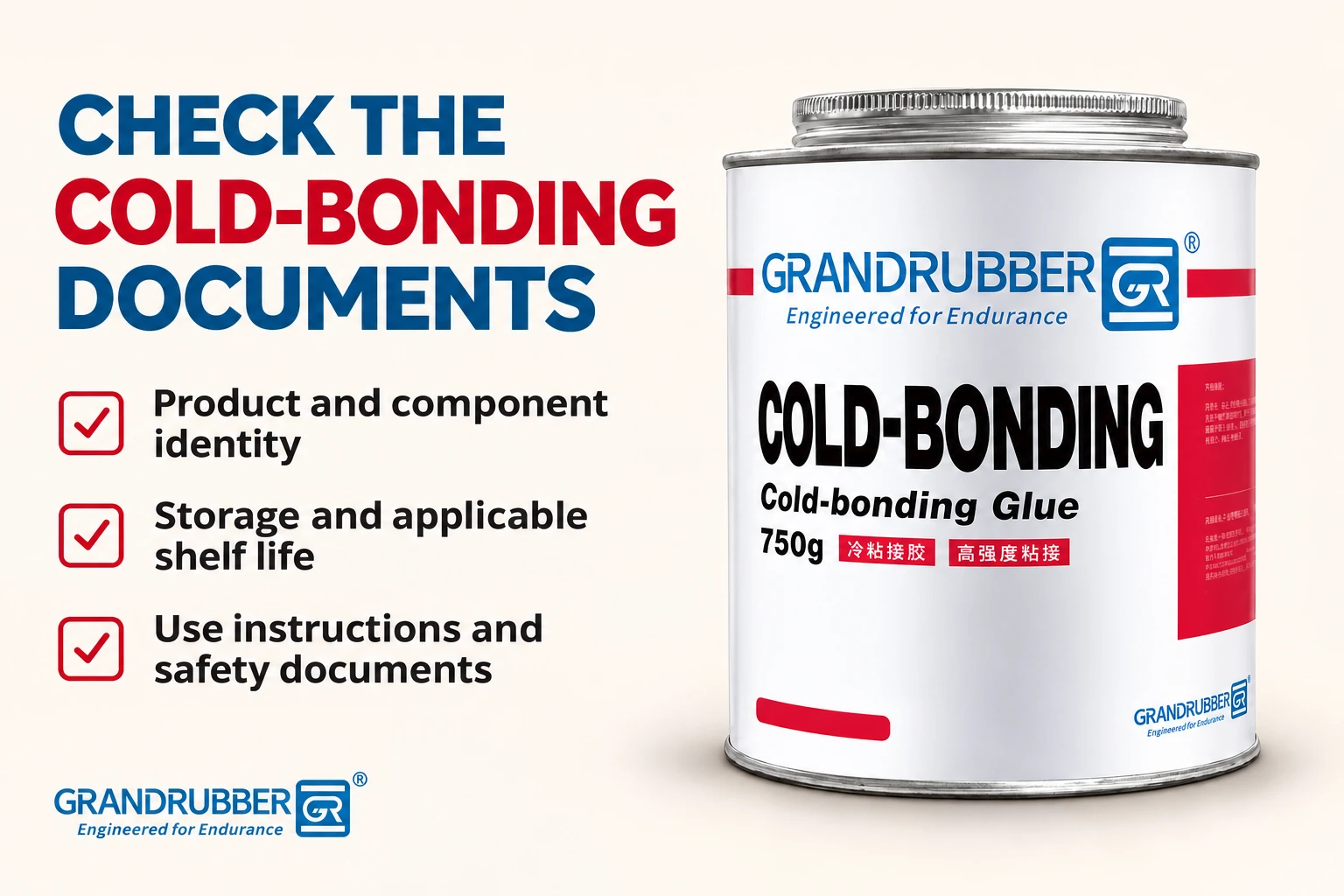
Before using or quoting a cold-bonding system, match each supplied component to its current identity and documents. Obtain the applicable instructions, technical data and safety data rather than copying mixing or curing figures from a catalogue. This guide prepares the document handover; it is not a bonding procedure.
Treat the components as an identified system
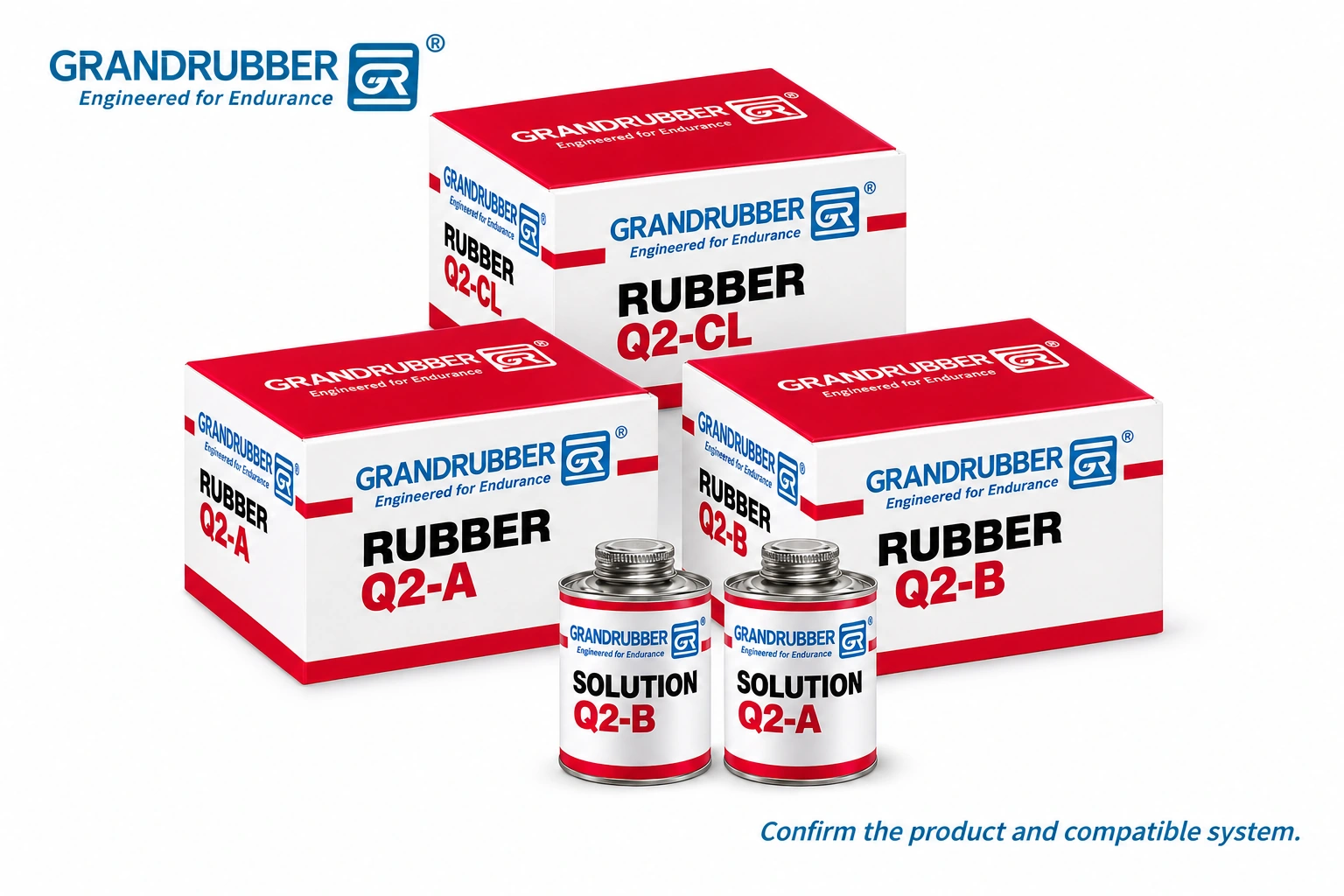
The source pages distinguish cold-bonding glue, metal primer, hardener and cleaner, and show a separate quick-repair system. Products appearing in adjacent pages are not automatically interchangeable or one approved kit.
List actual product names, batch identifiers and supplied quantities, then ask which components form the offered system. Keep the intended substrate and task visible. A reference to rubber bonding does not by itself define the actual rubber, metal surface or repair construction.
Ask which document controls each decision
Request the current product/system instructions, relevant TDS and SDS with their issuer and revision. The TDS describes technical scope, the SDS provides the identified safety information, and the controlled instructions must establish the applicable use conditions. Check that the documents refer to the delivered products.
The first table assigns the document questions. Mixing ratio, usable time, preparation, curing and return-to-service conditions must come from the actual applicable system and responsible procedure. No operational value from the historic catalogue is reproduced as an instruction here.
| Component/decision | Document question | Not established by name |
|---|---|---|
| Adhesive and primer | Which exact products and compatible system? | Any generic rubber-bonding recipe |
| Hardener/cleaner | Which supplied identity and batch? | Interchangeability by packaging |
| Technical use | Which current instructions/TDS apply? | Catalogue figures as universal settings |
| Safety and storage | Which identified SDS and requirements? | Site approval from an old leaflet |
Worked example: the adhesive is identified but the hardener is not
Assume a hypothetical delivery contains an identified glue and an unverified hardener reference. An old catalogue sheet describes a familiar-looking system. No chemical compatibility, mixing ratio or usable period is assumed.
Ask the supplier to establish the actual component identities and the documents covering that combination. Preserve batch and packaging evidence through the responsible receipt process. Do not infer compatibility from container colour, similar names or another supplier’s recipe.
The second table records the missing system decision. A time-critical repair does not turn an unknown component into an approved substitute.
| Gap | Required reply | Keep separate |
|---|---|---|
| Batch not traceable | Delivered-item identification | Specimen/product identity |
| Old instruction | Applicable current revision | Historic catalogue reference |
| Substrate unclear | Actual surface/material and task | Generic application label |
| Use timing unknown | Responsible controlled procedure | Urgency versus technical approval |
Request a component-and-document reconciliation
Send the system list, task/substrate description and document references through the relevant cold-bonding enquiry. Ask for a written confirmation of what is supplied, which files apply and what evidence remains missing.
Shelf-life, storage, transport and any site-specific conditions require their actual product and location basis. No hazard classification or permission to use a chemical is inferred here. Keep physical use with the responsible personnel and applicable safety/technical instructions.
Buyer FAQ
Can one supplier’s hardener be used with another adhesive?
No such compatibility is established here. Obtain the applicable system confirmation and instructions for the exact products before use.
Does a valid-looking shelf-life date settle usability?
Also establish product identity, actual storage history and the applicable manufacturer requirements. This article does not assess a particular container.
Can I copy the catalogue curing time?
Not as a universal instruction. Obtain the controlled basis for the actual system, substrate and conditions.
Does an SDS prove bond strength?
It does not replace the relevant technical evidence or application instructions. Keep safety information and performance evidence distinct.
Is the quick-repair system the same as cold-bonding glue?
Do not assume that from nearby catalogue pages. Identify the exact task, products and applicable system documents.
Related technical resources
Related products
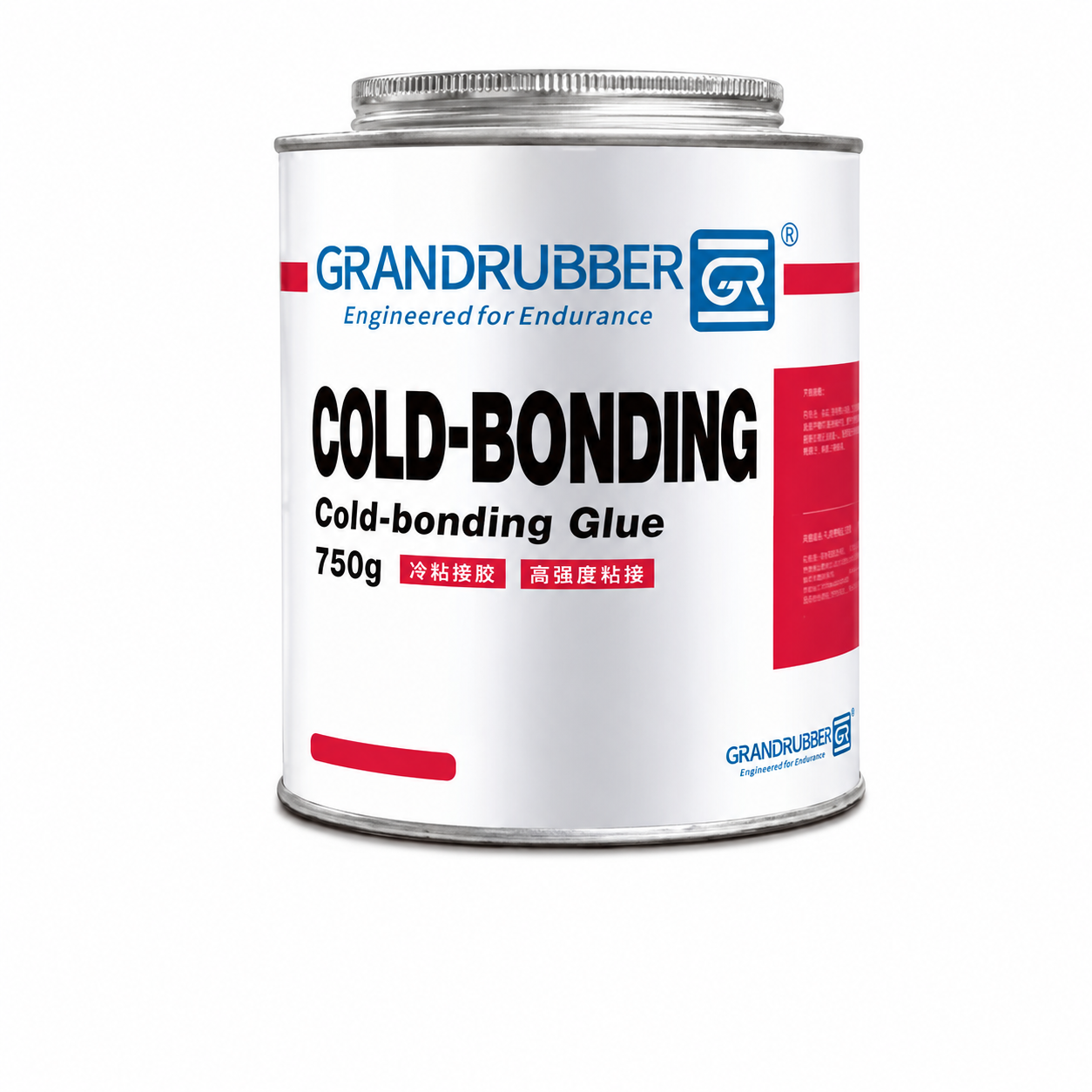 Cold Bonding MaterialsAdhesives, primers, hardeners and cleaners listed for cold-bonding systems. Confirm substrate compatibility, mixing and curing instructions, and obtain the applicable SDS before use.
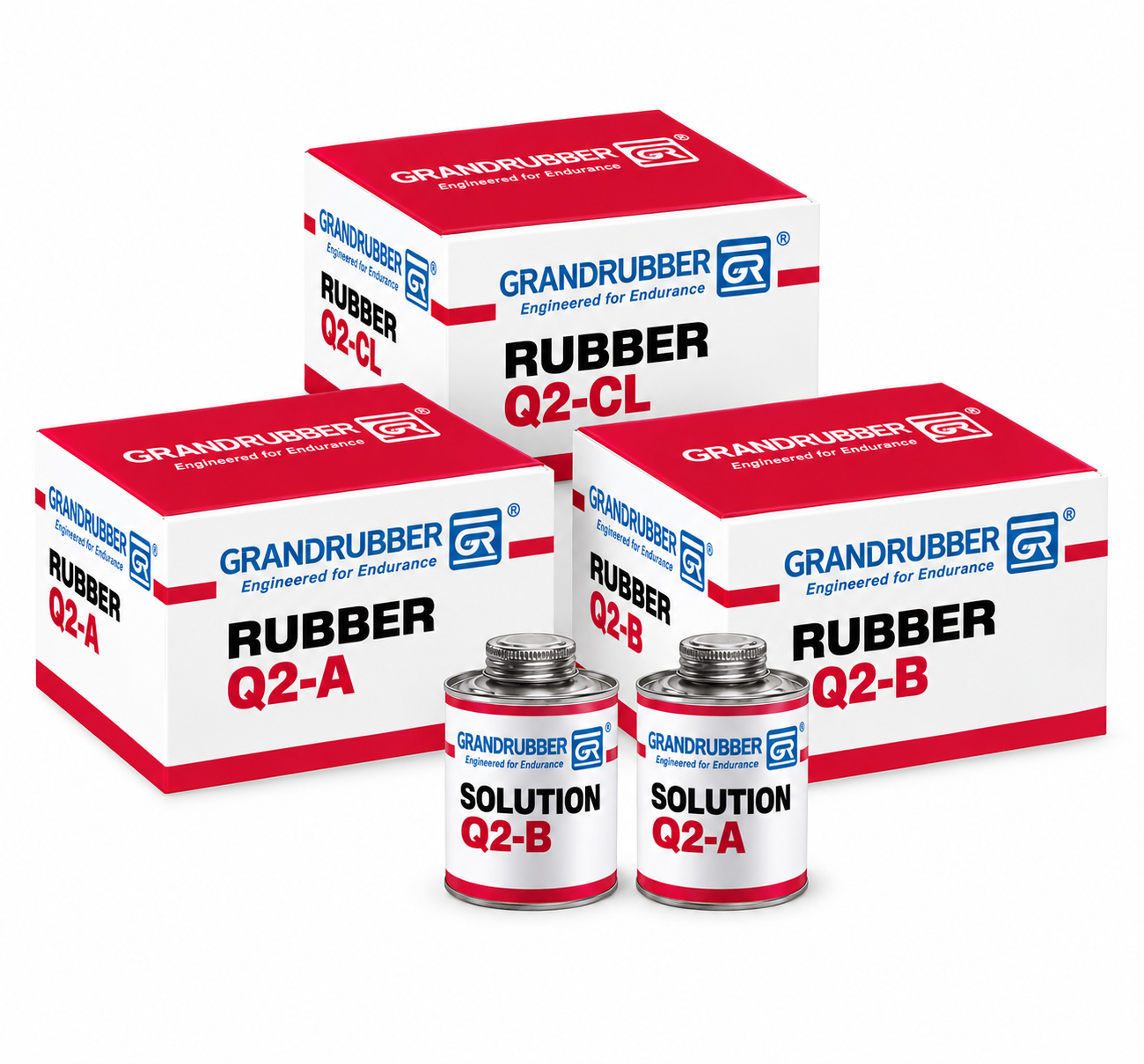 Q2 Belt Repair MaterialsQ2 materials for assessing conveyor belt repairs. Describe damage depth, reinforcement exposure, contamination and operating temperature to review repair scope and return-to-service requirements.
Related buyer question
Which documents are needed for cold-bonding materials?
Request the supplied system instructions and SDS alongside product and batch identification.
Document and page references
- GRAND_RUBBER_Conveyor_Components.pdf, PDF pp27,28,29,30,31,32: Distinct chemical/system identities; no recipe, curing, shelf-life or return-to-service instruction adopted.
- Decision tables, hypothetical examples and follow-up questions are editorial purchase-review aids; they are not customer cases, site instructions or technical approval.
Download the reference tables
Source-labelled review extract. Historical references remain historical; this is not a formal TDS, certificate or current availability confirmation.
Download guide tables CSV