Historical GR001–GR024 and GR-C references are not a confirmed replacement-code map to current GR4001–GR4012 products. Match the source edition, surface, backing, dimensions and construction before accepting a cross-reference.
A belt centered at the head and tail may still contact the frame along the return route. Map the contact location, belt-section pattern, operating condition and recent changes before requesting a corrective action.
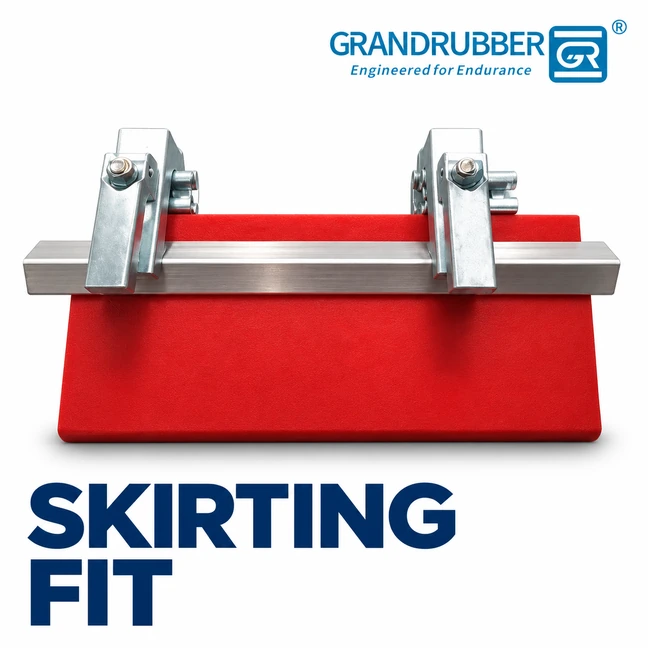
Choose belt-edge skirting and transfer-point dust curtains by their different jobs and mounting interfaces. A strip that seals near the belt is not automatically a substitute for a curtain controlling the transfer opening.
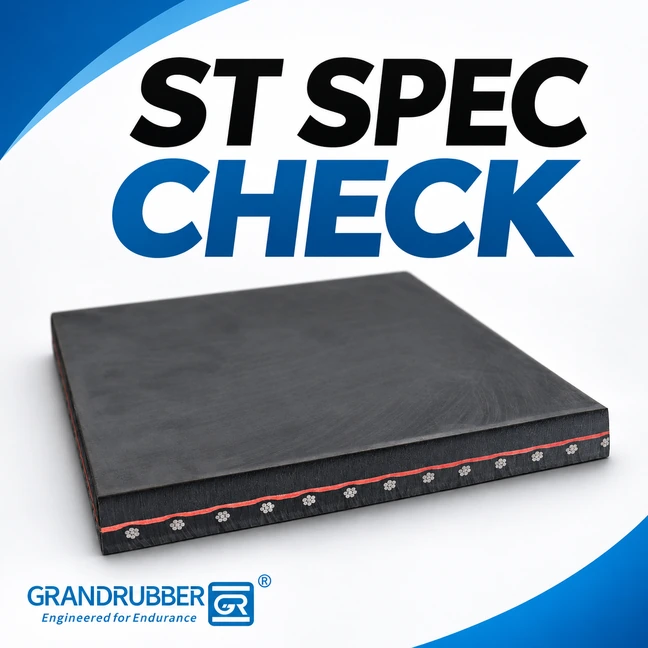
ST1000 is a strength designation, not a complete steel cord belt specification. Identify the source schedule and full offered construction before comparing covers, cord arrangement, width and joining requirements.
Compare a sheet against its actual contact, mechanical duty and installed form. FKM, closed-cell EPDM sponge, TPE and silicone names identify different material families; hardness or colour alone does not establish a suitable replacement.
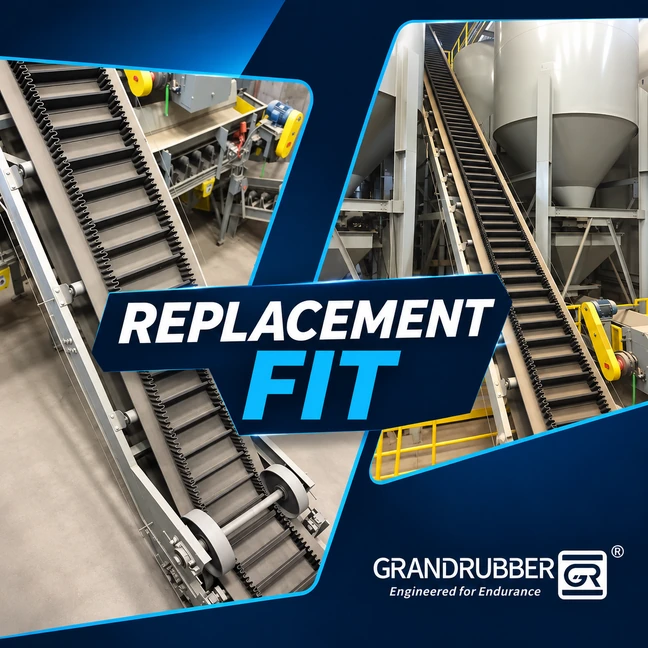
Identify the existing sidewall belt with a complete, revision-controlled geometry record. Match the drawing’s own symbols to basebelt, cleats, sidewalls and inset; photographs and two overall dimensions do not establish replacement equivalence.
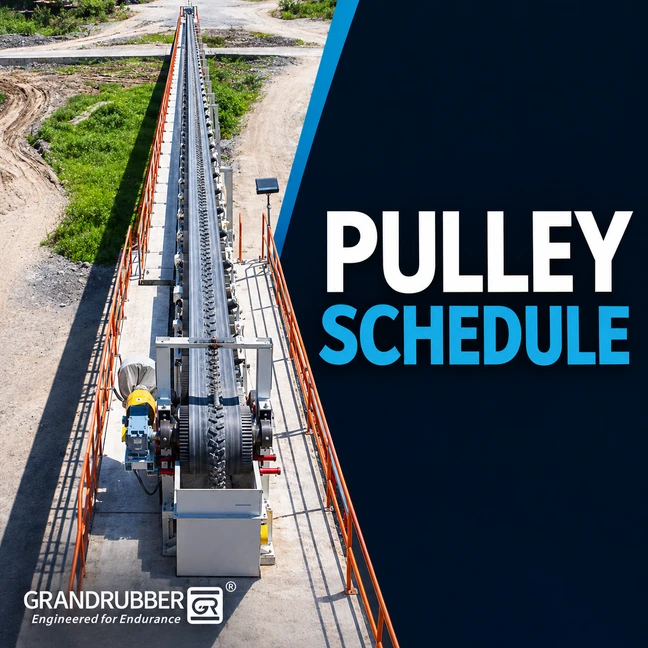
Read an STE or STH pulley schedule with its series, tension basis and pulley role. A minimum-diameter entry taken outside its stated conditions is not a machine design approval.
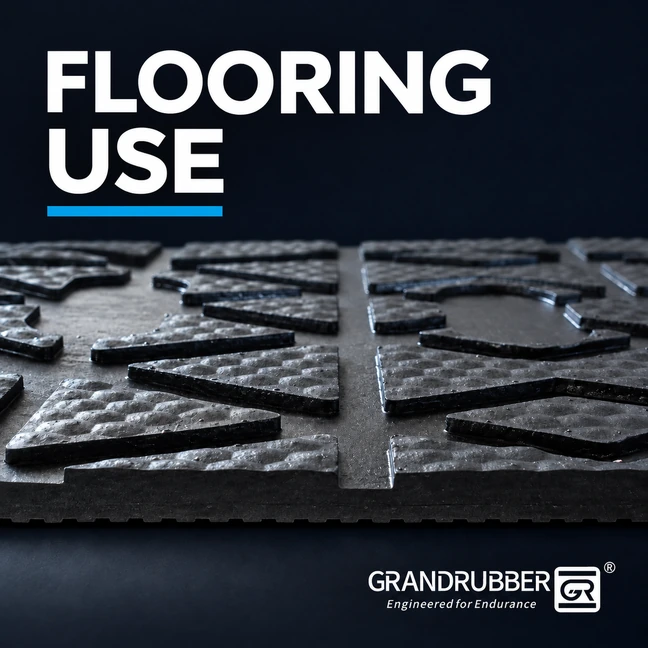
Select cow flooring by the actual zone and its interfaces: resting, standing, walking and ramps ask different questions. A pattern name alone cannot confirm traction, cleaning compatibility or a suitable installed layout.