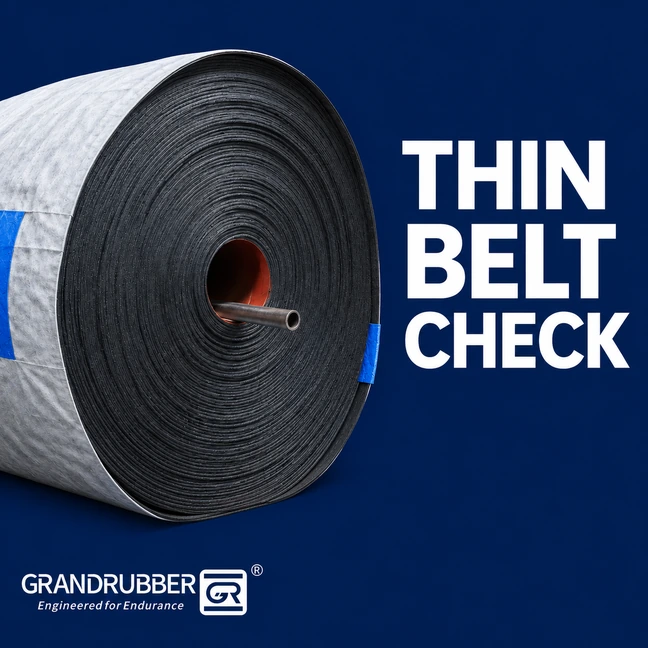
White and thin describe different product questions. White appearance does not establish food-contact suitability, and a thin construction name does not define finished thickness, reinforcement or machine compatibility.
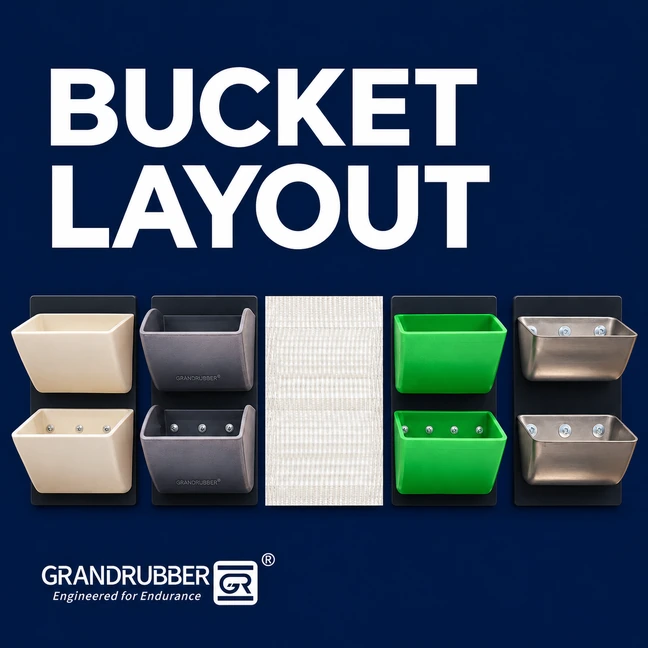
A bucket-elevator belt enquiry needs the complete equipment interfaces, duty and offered construction. A lifting-height/capacity illustration is not a project calculation, and a belt-width match does not establish the bucket-hole or joining arrangement.
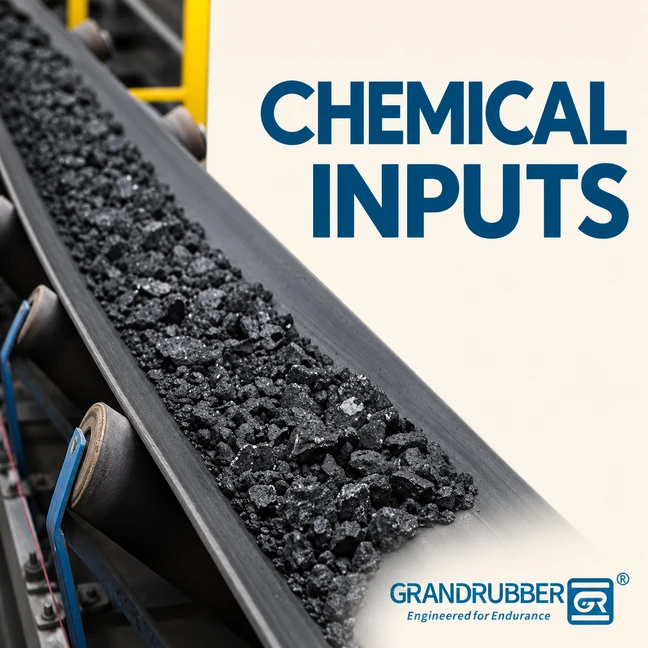
A chemical-resistant belt proposal needs the actual medium, mixture, concentration, temperature and contact history. A laboratory immersion entry is evidence only within its stated subject and conditions, not a universal chemical-service rating.
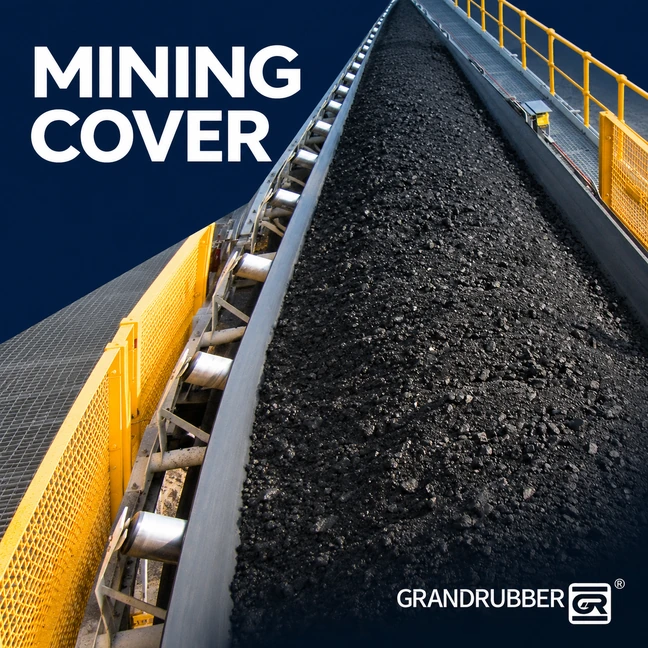
Mining buyers should compare the stated cover requirement and the evidence for the actual offered compound on the same basis. Separate wear, cutting, impact and other exposures before ranking abrasion numbers or adding cover thickness.
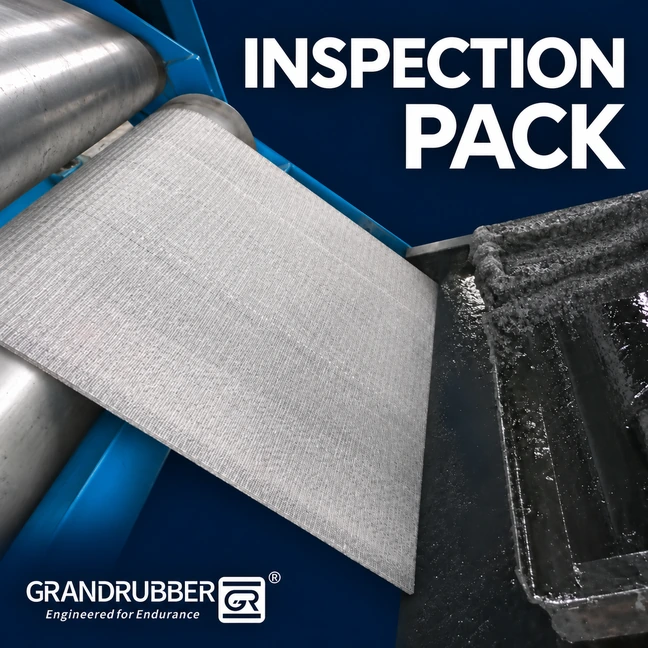
Agree inspection and document requirements against the exact ordered construction. A useful pack identifies the item, methods, acceptance criteria, results and responsible review; a collection of unrelated certificates does not establish order conformity.
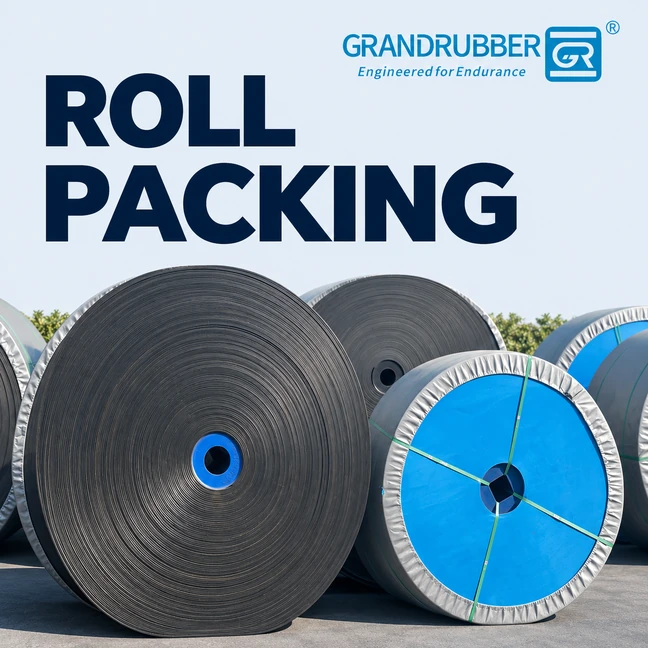
Give each product line and each physical package a traceable identity. Agree supply format, package allocation, handling constraints and approved marking before dispatch; a product code alone cannot identify a mixed shipment.
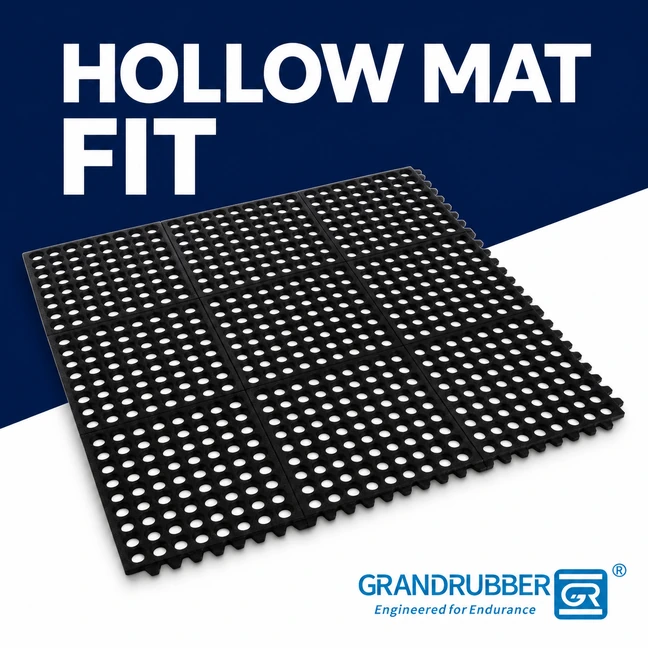
Choose stable, ramp and hollow mats against the actual use, support, drainage and edge arrangement. Historical size rows identify formats to ask about; they do not confirm current availability, equivalence or safe use for every location.
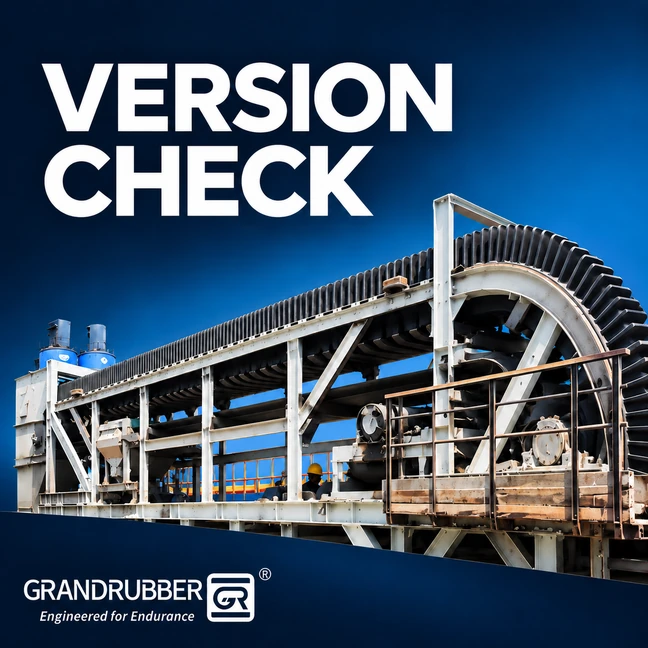
When catalogues differ, identify the exact edition, product construction, field label and applicable offered specification. Do not choose the more attractive number or combine values from different schedules into one undocumented product.