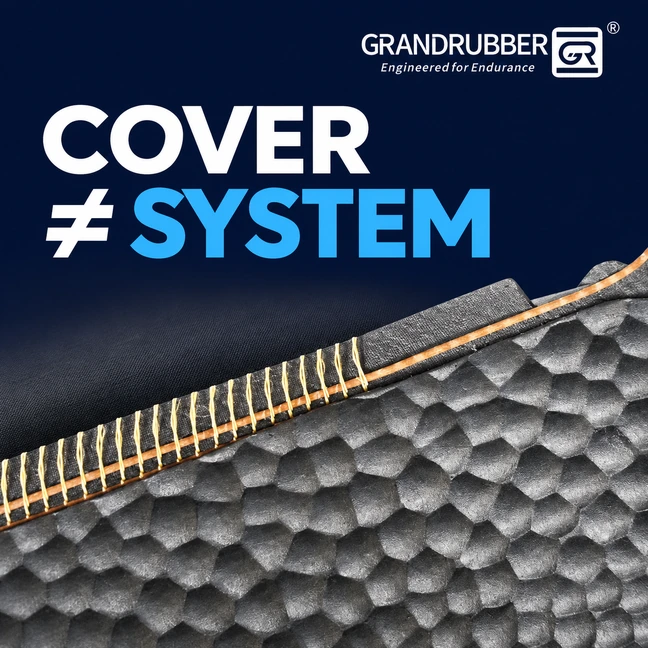
Confirm whether the quotation supplies the rubber cover alone or a complete resting system. A cover specification does not identify the core, attachment, prepared base or installed mattress response.
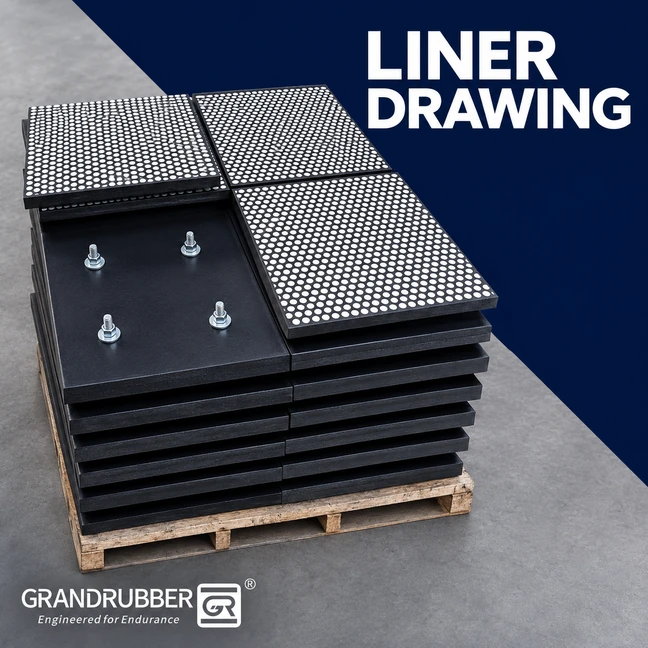
A liner enquiry needs both a material requirement and an installation drawing. Keep rubber, ceramic-rubber, polymer and PTFE proposals separately identified; one liner photograph or a neighbouring catalogue paragraph cannot establish another material’s suitability.
For a new destination, confirm the buyer’s applicable specification, document language, acceptance responsibilities and import-related evidence before repeating an earlier order. A destination name alone does not establish the required standard or legal documents.
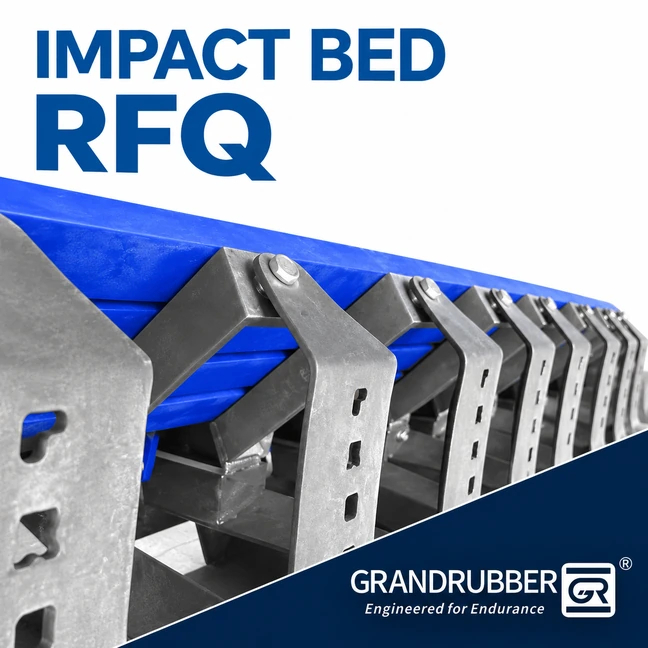
An impact bed or replacement bar must be reviewed against loading duty, belt support and its fixing/frame interface. A catalogue bar length or bed code alone does not establish load suitability or fit.
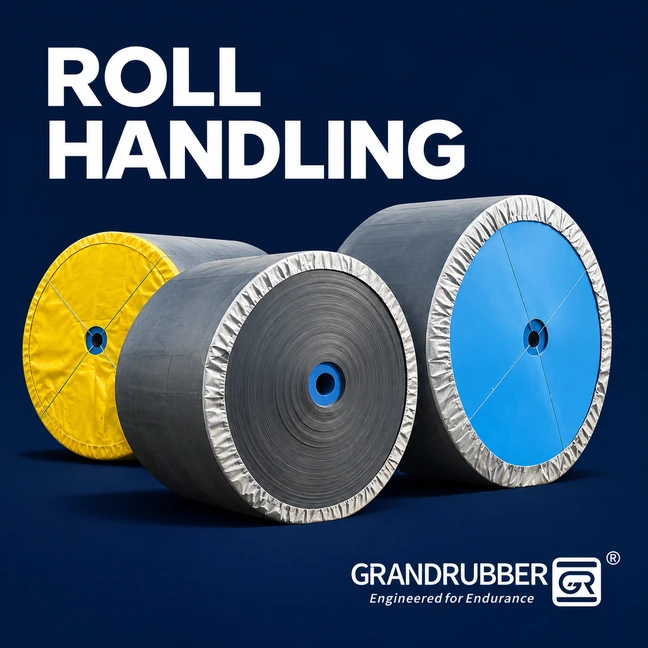
Prepare a package-specific lifting, support and storage handover before a belt arrives. Use actual package identity, mass and approved handling references; a product catalogue sketch is not a universal lifting plan.
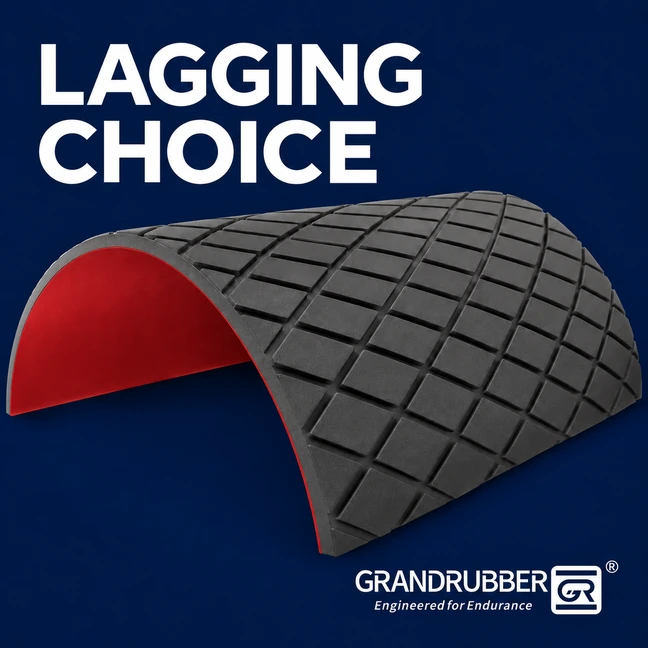
Select lagging through the actual pulley duty, surface form, environment and bonding/installation interface. A plain, diamond or ceramic description is a product category, not a universal traction or wear guarantee.
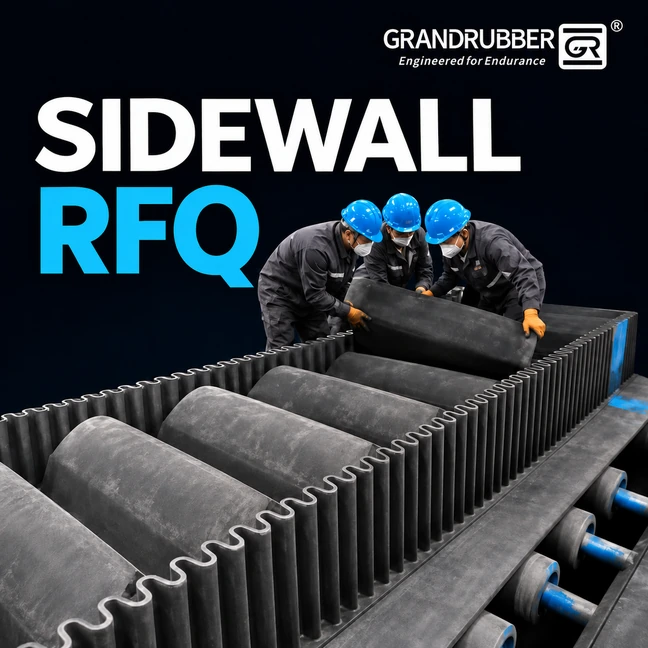
For a new sidewall conveyor, define the material, required duty and route together before choosing belt geometry. Separate fixed project constraints from proposed dimensions and ask the responsible design team to resolve missing inputs.
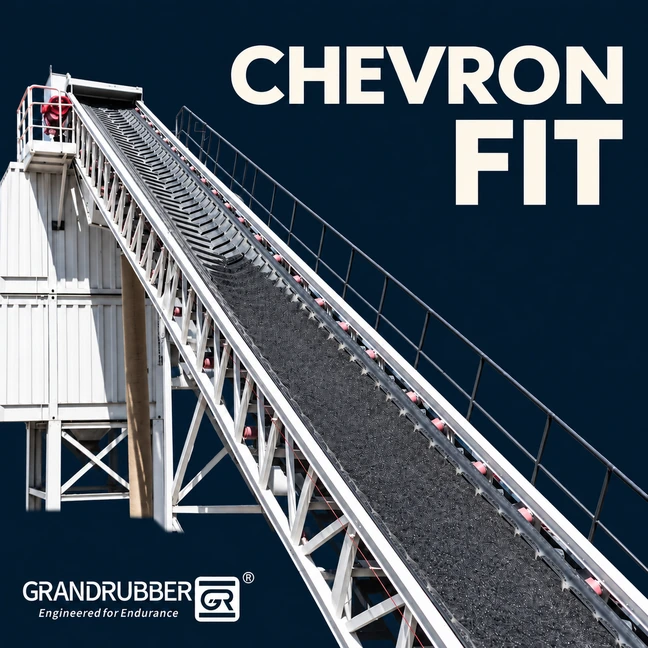
Confirm the mould drawing and the actual pattern arrangement, not merely a similar chevron photograph. Match pattern dimensions and margins to the identified basebelt and duty before treating a quoted pattern as equivalent.