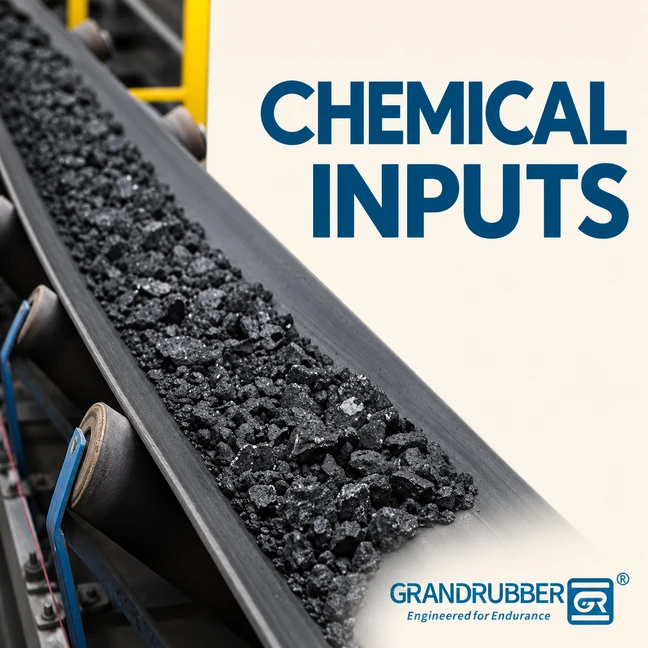
A chemical-resistant belt proposal needs the actual medium, mixture, concentration, temperature and contact history. A laboratory immersion entry is evidence only within its stated subject and conditions, not a universal chemical-service rating.
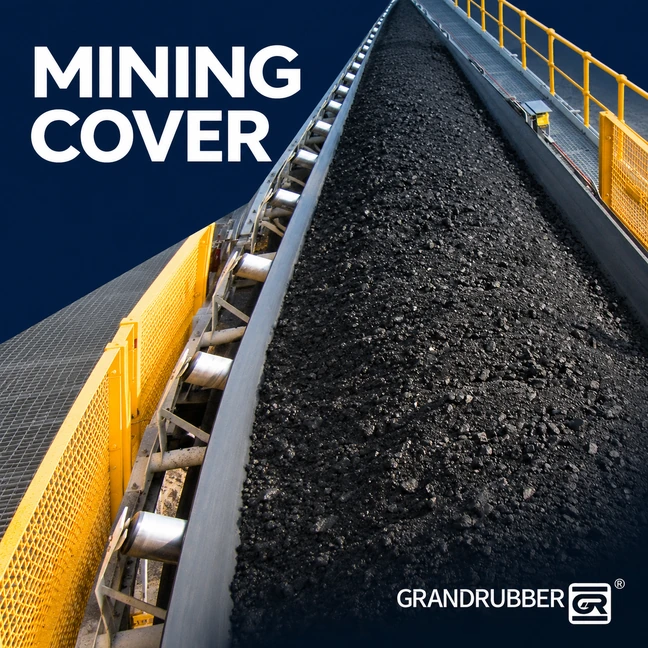
Mining buyers should compare the stated cover requirement and the evidence for the actual offered compound on the same basis. Separate wear, cutting, impact and other exposures before ranking abrasion numbers or adding cover thickness.
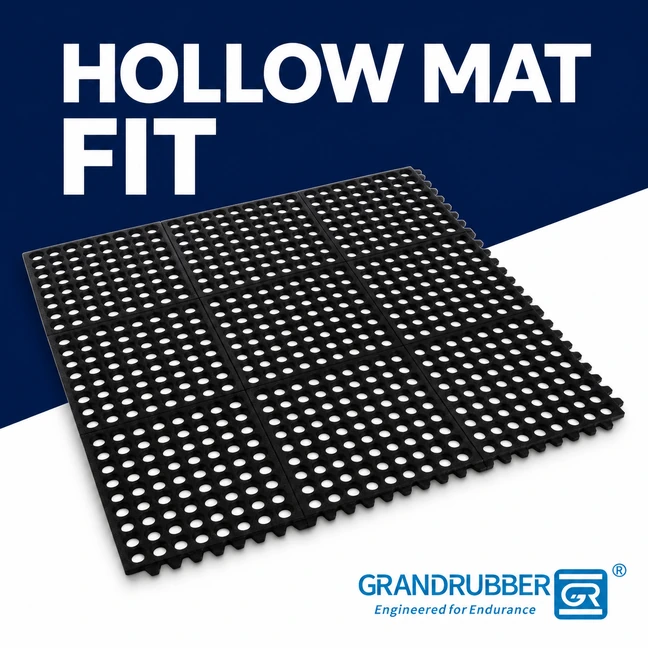
Choose stable, ramp and hollow mats against the actual use, support, drainage and edge arrangement. Historical size rows identify formats to ask about; they do not confirm current availability, equivalence or safe use for every location.
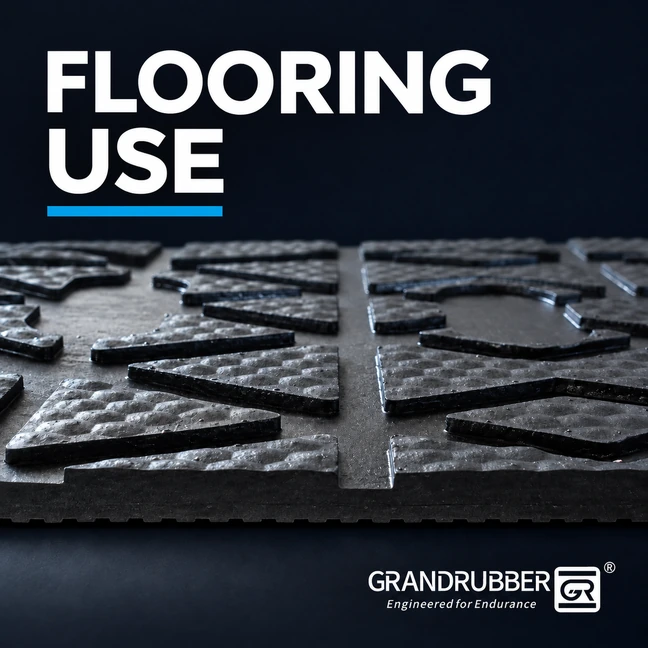
Select cow flooring by the actual zone and its interfaces: resting, standing, walking and ramps ask different questions. A pattern name alone cannot confirm traction, cleaning compatibility or a suitable installed layout.
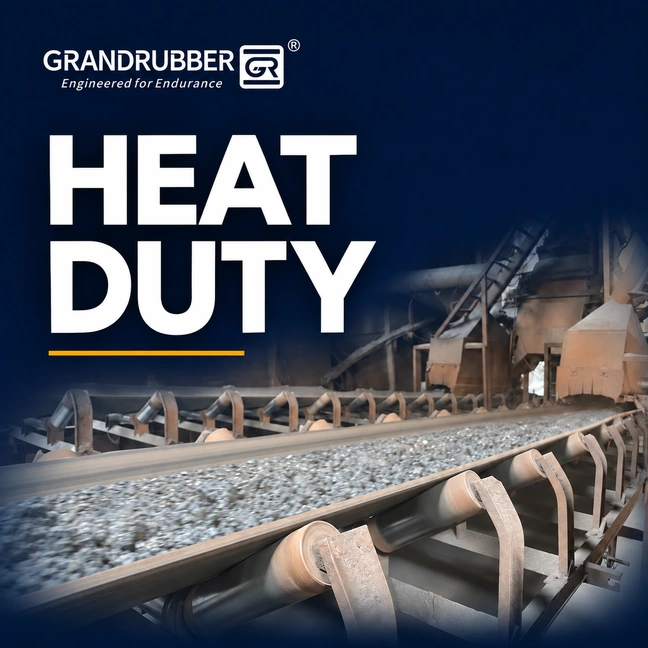
For hot clinker or sinter, review the exposure record with the complete belt construction and conveyor conditions. Keep continuous material, temporary peaks and belt-surface temperatures distinct, then ask which offered compound, carcass and joining basis match that duty.