A rock-box proposal changes the material-contact arrangement by intentionally retaining material. Review flow, geometry, retained load, attachment and access with the equipment authority before treating it as a sheet-thickness substitution.
Describe production, cleaning and occasional exposures as separate operating states. Ask for a lining proposal against the complete exposure record, including unknown media and relevant pressure or vacuum conditions; a primary process-fluid name is incomplete.
Assign custody, the applicable preservation documents and a pre-service review before lined equipment is held between delivery and use. Receipt of the item does not establish that later storage, installation and return to service have been accepted.
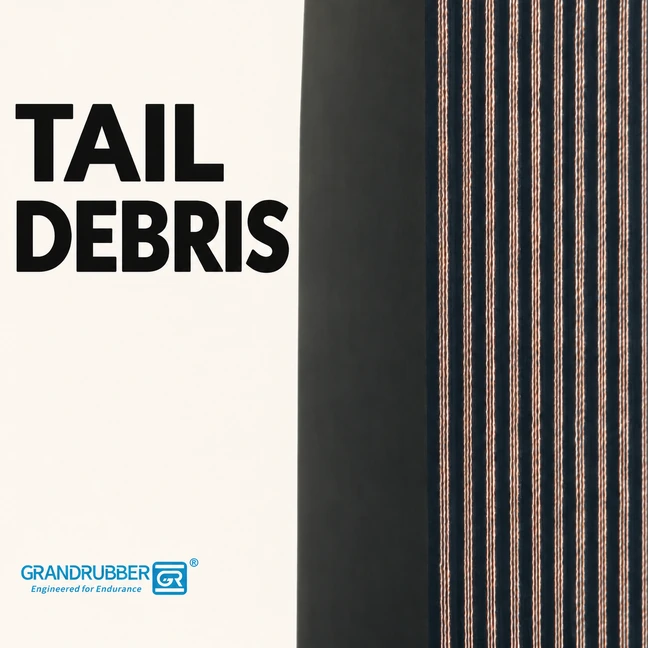
Investigate debris on the pulley-contact face separately from carryback on the carrying face. Identify where objects enter, how the existing protection contacts the belt, and who will review the protection arrangement before ordering another belt or cover change.
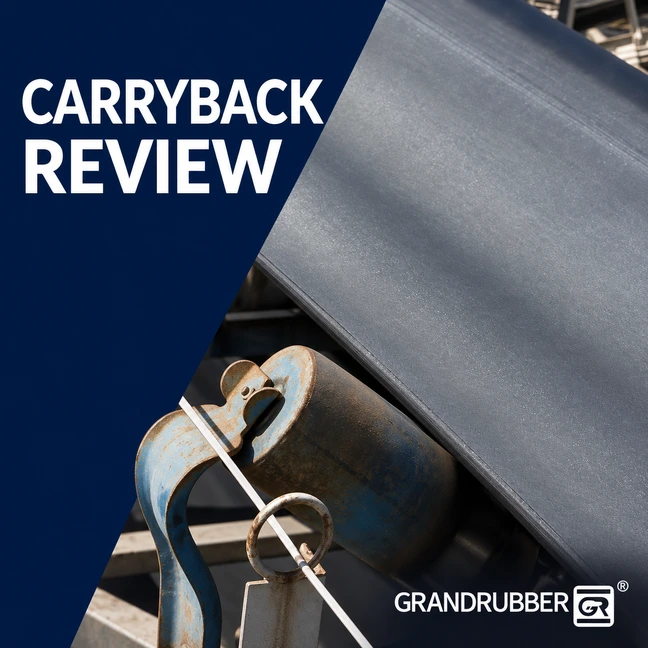
When carryback persists, compare the residue pattern with cover condition and the installed cleaning system. Use a matched inspection and quotation record before choosing cleaning work, cover repair or a replacement belt.
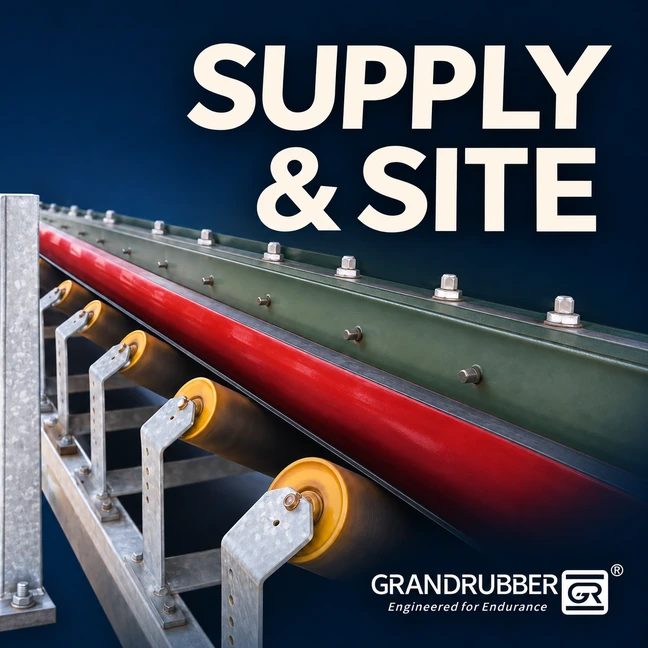
A maintenance contract may include spare parts, but the label does not define them. Identify each material line, installation task and acceptance owner before comparing offers or releasing a parts order.
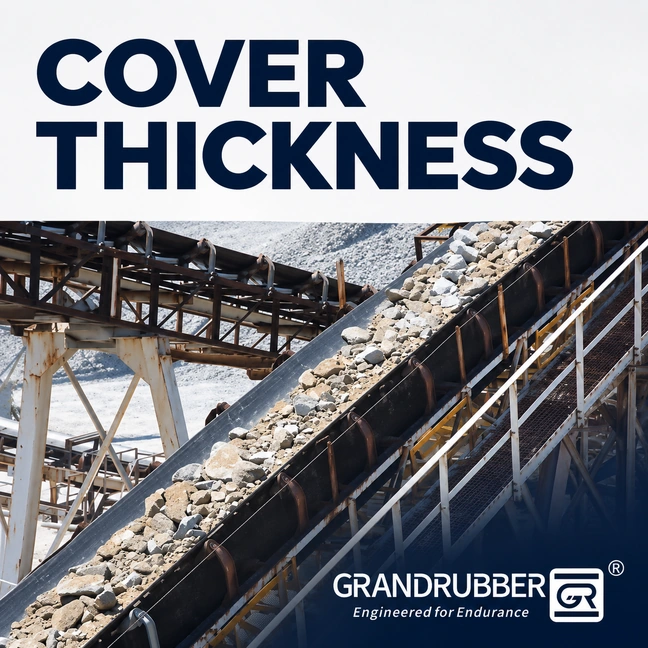
Review a proposed conveyor belt cover-thickness change by separating cover dimensions, compound and carcass, then confirming the reason for the change and the complete replacement specification.
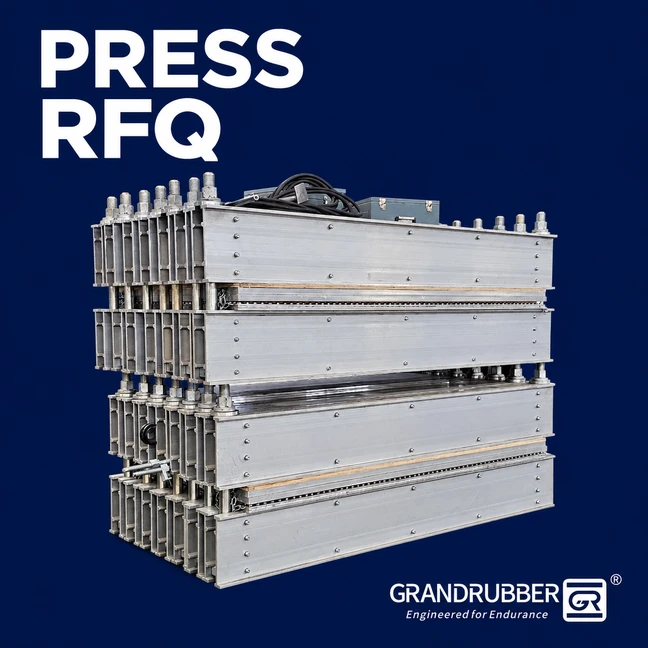
Identify the exact press model, rated configuration and controlled documents before comparing a vulcanizer quotation. Pressure, temperature and electrical entries in a general catalogue are not an approved splice recipe or a universal equipment rating.