
3 OPERATING SCENARIOS · 10 CANDIDATE PRODUCT ROUTES
Mining & Quarrying
Ore, mineral, coal or aggregate handling: define the loading point separately from the transport route.
Explore the full industry overview →
GRAND RUBBER / INDUSTRY DIRECTORY
Start with your industry, separate the operating duties and review the candidate product range, source parameters and project inputs.
Ore, mineral, coal or aggregate handling: define the loading point separately from the transport route.
Explore the full industry overview →
Separate hot-clinker transport, elevation and ordinary raw-material duties.
Explore the full industry overview →Define sinter/coke conveying and wear protection as separate requirements.
Explore the full industry overview →
Review bulk transport and transfer-point interfaces together.
Explore the full industry overview →
Separate resting-area cover systems from passage, standing and ramp mats.
Explore the full industry overview →Define fuel conveying and transfer conditions with the project safety requirements.
Explore the full industry overview →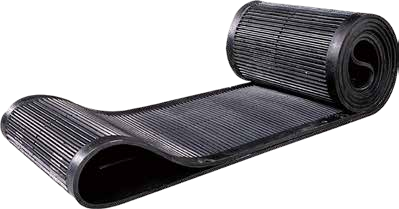
Define chemical exposure and mechanical duty before selecting a rubber construction.
Explore the full industry overview →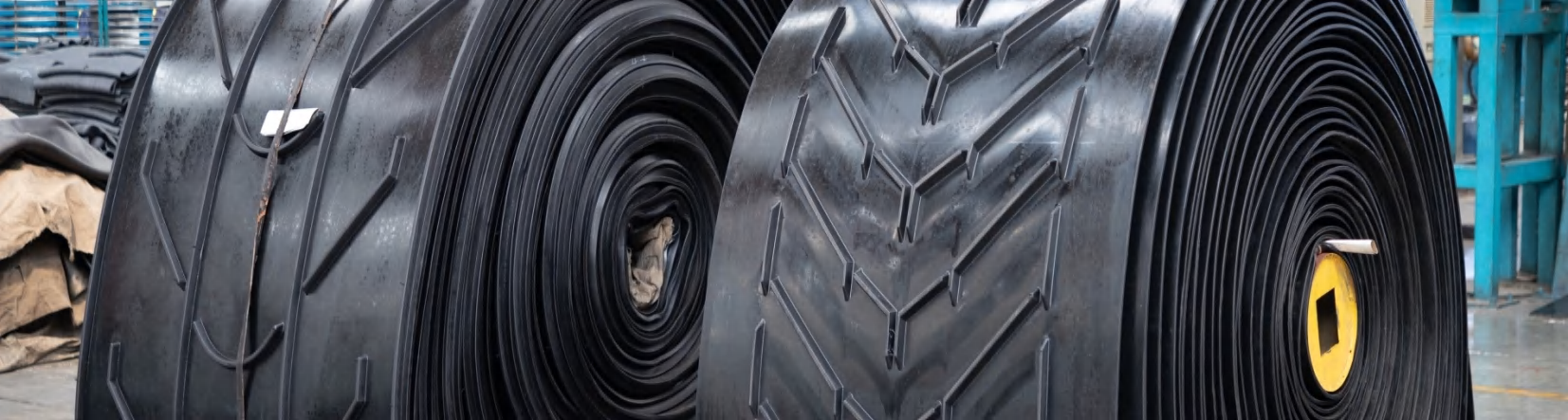
Compare material retention, contamination and release conditions for the actual process.
Explore the full industry overview →Separate impact support, sealing and belt construction at the loading point.
Compare the wear mechanism and installation interface before choosing a sheet or liner.
Start from the complete existing belt specification and route conditions.
Record the three temperature measures separately before reviewing a heat-resistant grade.
Review the lifting layout and equipment interfaces, rather than choosing by belt width alone.
Review heat exposure and conveying duty before comparing offered constructions.
Use a wear-location drawing and attachment scope to review liner options.
Follow spillage and dust back to the transfer-point interface.
Compare the pulley, surface pattern and bonding system against service conditions.
Select by use area, floor plan, traffic, cleaning and fixing conditions.
Keep the reinforced rubber cover separate from a complete cushioning system.
Check conveying duty and safety-document requirements separately.
Review the transfer geometry before specifying a curtain or skirtboard.
A general resistant-material label does not establish compatibility with an unknown medium.
Define the belt geometry and process interface before ordering a filter belt.
Compare the actual profile and material behaviour with the conveyor arrangement.
Record the sticking symptom and operating conditions before reviewing an anti-stick construction.