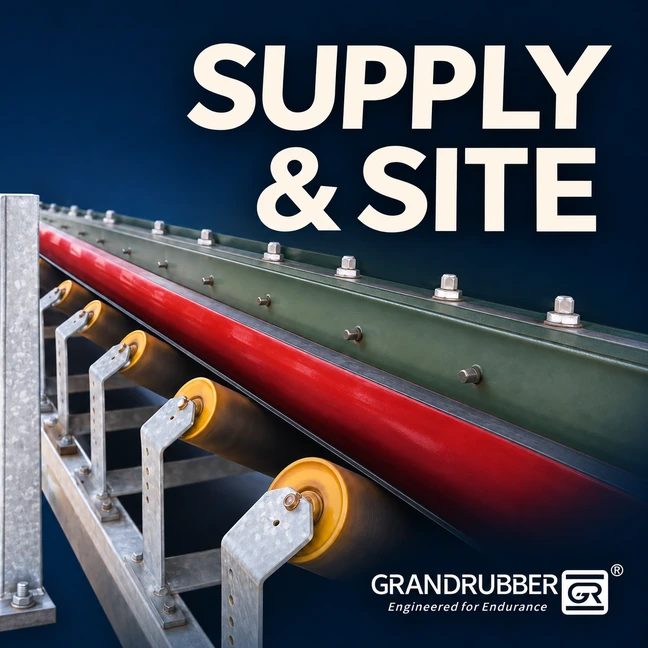
A maintenance contract may include spare parts, but the label does not define them. Identify each material line, installation task and acceptance owner before comparing offers or releasing a parts order.
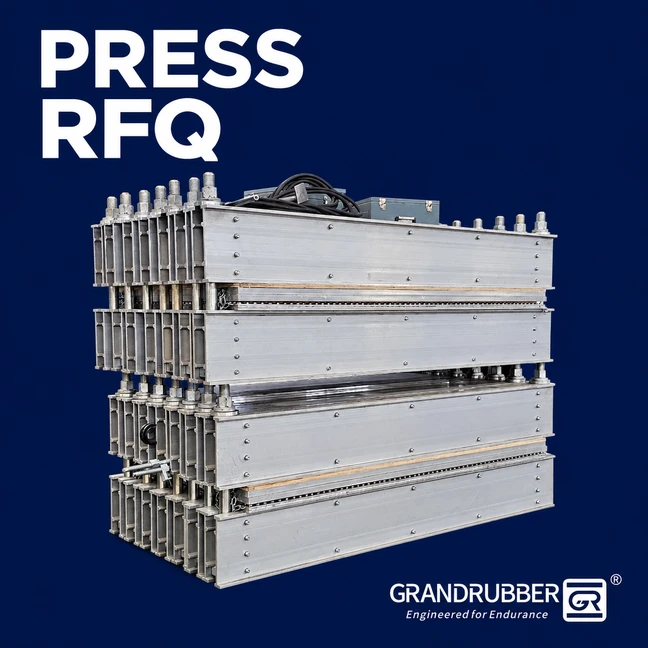
Identify the exact press model, rated configuration and controlled documents before comparing a vulcanizer quotation. Pressure, temperature and electrical entries in a general catalogue are not an approved splice recipe or a universal equipment rating.
A bucket-elevator belt enquiry needs the complete equipment interfaces, duty and offered construction. A lifting-height/capacity illustration is not a project calculation, and a belt-width match does not establish the bucket-hole or joining arrangement.
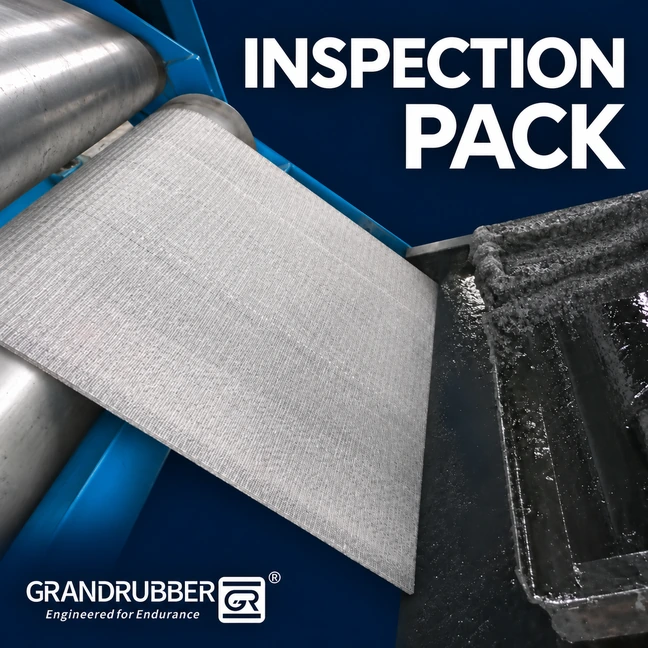
Agree inspection and document requirements against the exact ordered construction. A useful pack identifies the item, methods, acceptance criteria, results and responsible review; a collection of unrelated certificates does not establish order conformity.
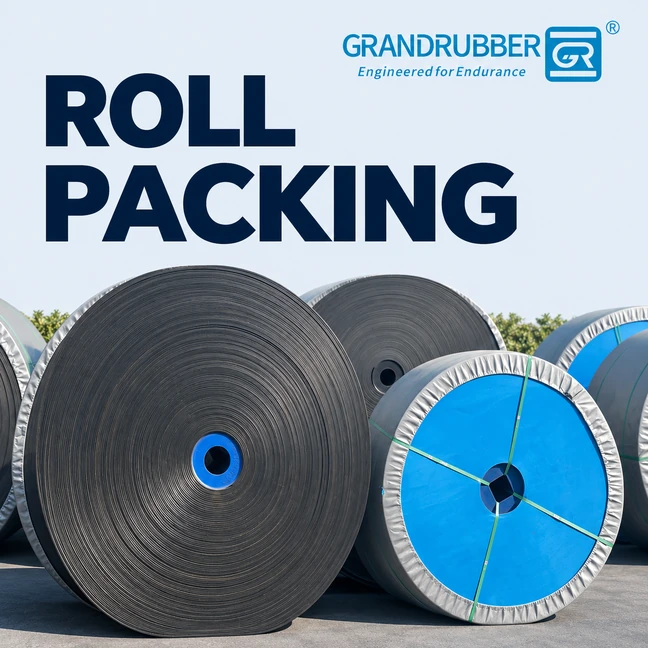
Give each product line and each physical package a traceable identity. Agree supply format, package allocation, handling constraints and approved marking before dispatch; a product code alone cannot identify a mixed shipment.
For a new destination, confirm the buyer’s applicable specification, document language, acceptance responsibilities and import-related evidence before repeating an earlier order. A destination name alone does not establish the required standard or legal documents.
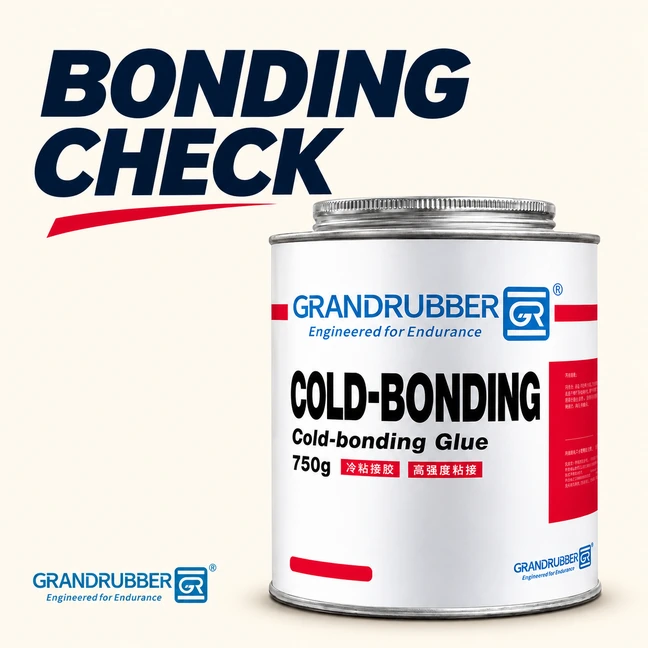
Identify the complete supplied cold-bonding system and obtain its applicable instructions and safety data. An adhesive name alone does not define its primer, cleaner, hardener, substrate compatibility or application conditions.
Match each document to the specific claim it supports: a product description, a result for an identified specimen, or certification of a stated scope. More files do not close an evidence gap if they concern a different item or question.