Start with the job the mat must perform. Standing comfort and slip control are different requirements, and thickness alone does not select a suitable workstation mat. Define the standing task, footwear and floor, traffic, edges and cleaning arrangement before evaluating an identified product.
Not without a substrate-specific system review. A steel-based preparation and bonding specification does not establish suitability for concrete or fibre-reinforced plastic. Identify the actual substrate, its condition and the scope of the proposed material-system documents before treating the substitution as approved.
Hardness and cut dimensions do not describe the complete sealing joint. The actual material, its response in compression and fluid exposure, the mating surfaces and the applicable joint design all matter. Compare sheet-material supply and joint acceptance separately rather than diagnosing a leak from one property.
Do not select a patch from appearance or thickness alone when the existing lining is unknown. Establish the original material and repair history as far as possible, document the affected area and actual service, and obtain an item-specific repair and acceptance scope from the responsible owner and applicator.
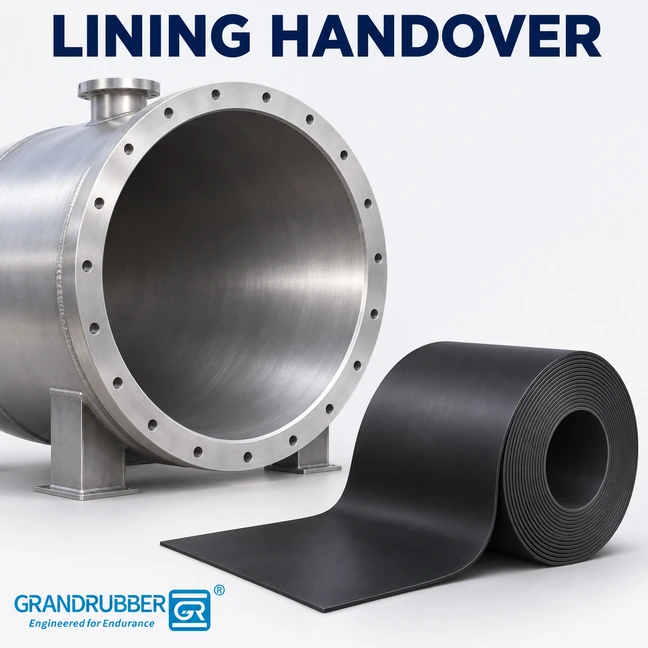
Agree a fabrication-to-lining handover before adhesive or lining work starts. The record should identify the substrate, completed and outstanding hot work, relevant surface-condition findings and who resolves them. Material delivery alone does not establish that the equipment is ready to be lined.
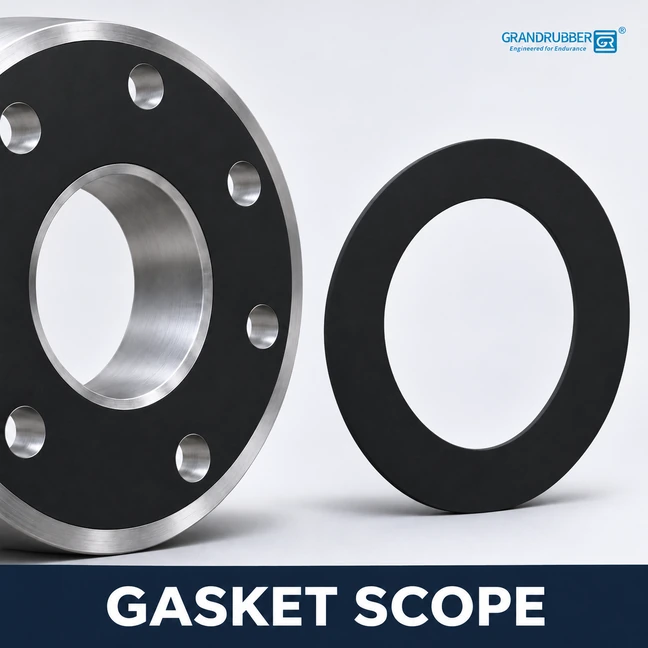
Not automatically. The lining on a flange face and a separate gasket are different parts of the proposed mating joint. Identify both faces, their materials and the applicable joint design before deciding whether a separate gasket is required. The decision belongs to the actual assembly, not the word rubber.
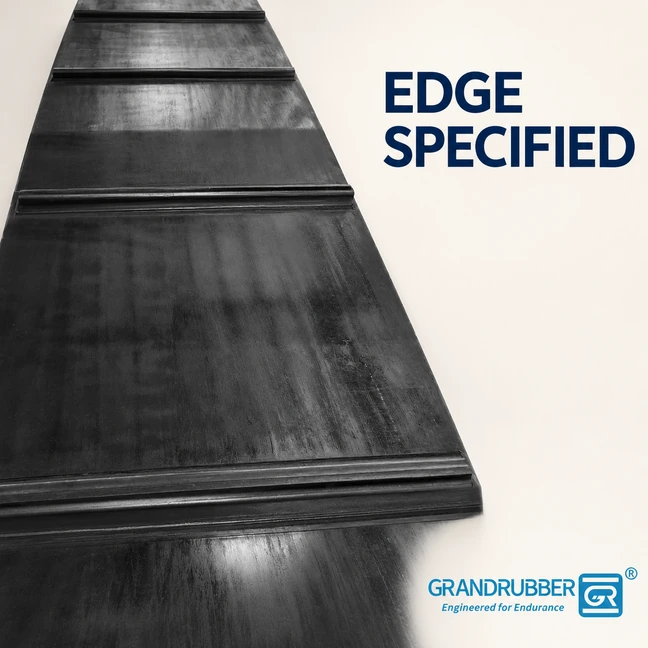
Specify the actual edge construction and the belt reinforcement it belongs to. Moulded, cut-and-sealed and raw cut edges describe different manufacturing outcomes; a quotation should state the offered form rather than treating the names as interchangeable. Confirm any proposed departure before ordering.
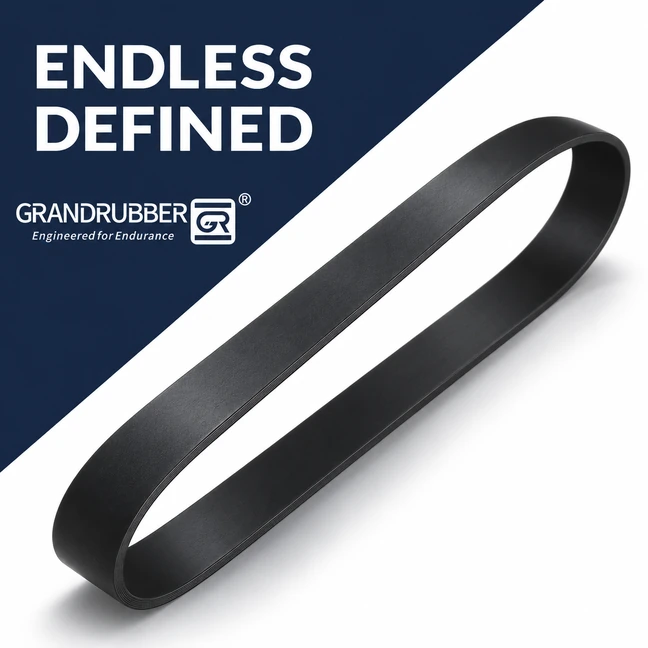
A closed loop does not by itself prove joint-free manufacture. If the requirement is truly endless construction, ask the supplier to identify how the carcass is made and whether any splice is present. Define circumference and installation access separately so the delivered loop fits the actual machine.