Mining loading & transfer points
Separate impact support, sealing and belt construction at the loading point.

Conveyor components and maintenance materials for sealing, impact protection, lagging, lining and belt repair. Start with the equipment interface and operating problem to identify the required item.

This is a product-family overview. Open the series or named catalogue entries below for their actual specifications.
This is a component directory. Select an item to review its dimensions, source data, documents and enquiry inputs; there is no universal specification for this range.
Open the full component range| Component / series | Review scope |
|---|---|
| Rubber & PU Skirting | Rubber and polyurethane skirting parts for conveyor transfer-point sealing. Match the profile, clearance and mounting arrangement to the belt surface and conveyed material. |
| High-abrasion Skirting | Catalogue skirting grades for transfer-point dust and spillage-control review. Confirm thickness, width and retaining arrangement against belt contact and material conditions. |
| Conveyor Dust Curtains | Slit, solid and strip curtains for conveyor transfer-point openings. Specify the opening, mounting and material flow, then review temperature and maintenance access. |
| Conveyor Impact Beds | Conveyor impact-bed assemblies for loading-zone review. Provide belt width, trough angle, drop height and material size to check the frame and loading interfaces. |
| Conveyor Impact Bars | Layered conveyor impact bars combining UHMWPE, rubber and a metal base. Match the selected bar dimensions and mounting drawing to the loading-zone arrangement. |
| Ceramic & Rubber Composite Liners | Ceramic and rubber composite liners in separate two-in-one and three-in-one formats. Specify tile layout, substrate, fixing, temperature and impact conditions before choosing the assembly. |
| Polymer & PTFE Liners | Separate polymer and PTFE liner options for sliding and material-release interfaces. Confirm the exact material grade, medium, temperature and fixing arrangement before comparing properties. |
| Ceramic Pulley Lagging | Ceramic lagging sheets for conveyor pulley interfaces. Specify pulley diameter, face length, sheet pattern and bonding procedure to review the selected lagging format. |
| Diamond Rubber Pulley Lagging | DRL-series diamond-pattern rubber lagging for conveyor pulleys. Match the catalogue format, rubber grade and bonding side to your pulley drawing and operating exposure. |
| Plain Rubber Pulley Lagging | PRL-series plain rubber lagging for conveyor pulleys. Check drum diameter, face length, sheet dimensions and bonding-layer requirements before defining the installation scope. |
| Cold Bonding Materials | Adhesives, primers, hardeners and cleaners listed for cold-bonding systems. Confirm substrate compatibility, mixing and curing instructions, and obtain the applicable SDS before use. |
| Q2 Belt Repair Materials | Q2 materials for assessing conveyor belt repairs. Describe damage depth, reinforcement exposure, contamination and operating temperature to review repair scope and return-to-service requirements. |
| Belt Repair Strips & Patches | Repair strips and patches in catalogue formats for conveyor belt maintenance. Match dimensions and bonding materials to the damage, including any exposed or affected reinforcement. |
| Hot Splice Materials | Cover rubber, tie gum, rubber solution and cord-fill materials for belt splicing. Select the matched system using the belt construction and controlled splice procedure. |
| Mechanical Belt Fasteners | Mechanical fastener families for conveyor belt joints. Confirm belt thickness, reinforcement, pulley size and the applicable approved rating before selecting the fastening system. |
| Belt Vulcanizing Equipment | Equipment and tools listed for conveyor belt splice work. Verify platen dimensions, pressure rating, voltage and controls against the selected equipment model and approved splice procedure. |
| Rubber Skirtboard Sheet | Rubber skirtboard sheet for conveyor transfer-point interfaces. Specify sheet dimensions, holder and contact conditions, then confirm the actual grade and property combination. |
Components and consumables are listed as catalogue supply options. Their appearance here does not establish GR manufacture, stock, chemical approvals or site-installation service.
These are catalogue references, not batch results, compliance certification or confirmation of every available size combination. Request the quotation-specific construction, drawing and acceptance documents
Provide the existing part or equipment drawing, selected dimensions, mounting and operating conditions. Confirm the installation or bonding procedure for the supplied component or material.
Separate impact support, sealing and belt construction at the loading point.
Compare the wear mechanism and installation interface before choosing a sheet or liner.
Use a wear-location drawing and attachment scope to review liner options.
Follow spillage and dust back to the transfer-point interface.
Compare the pulley, surface pattern and bonding system against service conditions.
Review the transfer geometry before specifying a curtain or skirtboard.
Formal TDS revision, batch report and certification original: pending confirmation for the selected product and order.
These are complete catalogues. Use the product and physical-page references below. They are not single-model datasheets, approved drawings, batch test reports or certification originals. Different catalogue schedules and versions must not be combined.
Full source catalogue for reference only. Check the physical pages and the selected construction. Catalogue claims do not replace order-specific technical approval, test results or certification evidence.
File version: 90e4dfe160e9 · 42 PDF pages. Issue date: not confirmed.
Identify the equipment part, dimensions and operating problem; separate replacement hardware, repair materials and any installation-service requirement.
Start with the equipment location, interface drawing, dimensions and operating problem. State hardware, maintenance materials and any installation-service requirement separately.
Browse all questions for this product, including selection guides →
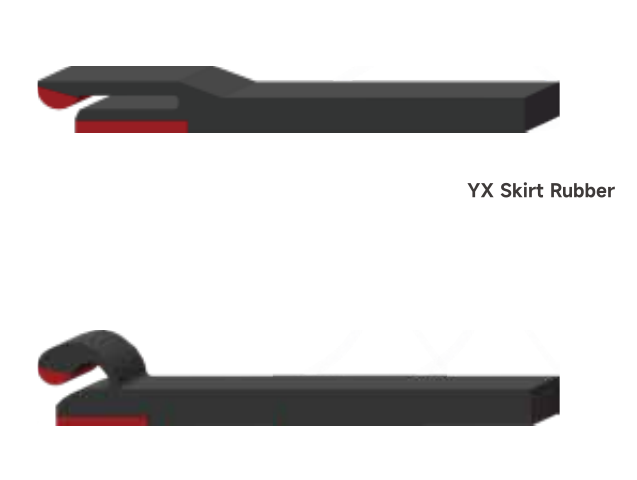
Rubber and polyurethane skirting parts for conveyor transfer-point sealing. Match the profile, clearance and mounting arrangement to the belt surface and conveyed material.
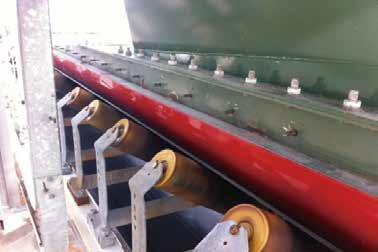
Catalogue skirting grades for transfer-point dust and spillage-control review. Confirm thickness, width and retaining arrangement against belt contact and material conditions.

Slit, solid and strip curtains for conveyor transfer-point openings. Specify the opening, mounting and material flow, then review temperature and maintenance access.
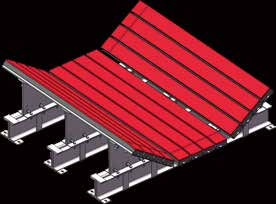
Conveyor impact-bed assemblies for loading-zone review. Provide belt width, trough angle, drop height and material size to check the frame and loading interfaces.
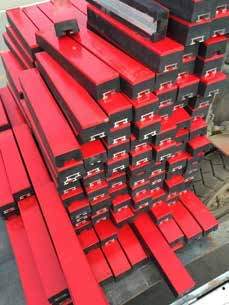
Layered conveyor impact bars combining UHMWPE, rubber and a metal base. Match the selected bar dimensions and mounting drawing to the loading-zone arrangement.
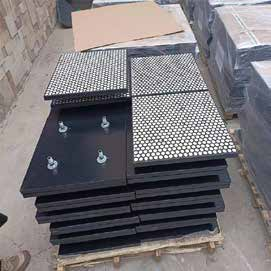
Ceramic and rubber composite liners in separate two-in-one and three-in-one formats. Specify tile layout, substrate, fixing, temperature and impact conditions before choosing the assembly.

Separate polymer and PTFE liner options for sliding and material-release interfaces. Confirm the exact material grade, medium, temperature and fixing arrangement before comparing properties.
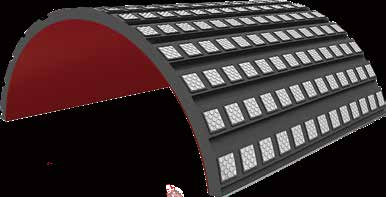
Ceramic lagging sheets for conveyor pulley interfaces. Specify pulley diameter, face length, sheet pattern and bonding procedure to review the selected lagging format.
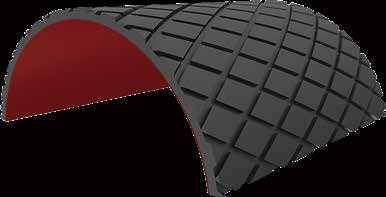
DRL-series diamond-pattern rubber lagging for conveyor pulleys. Match the catalogue format, rubber grade and bonding side to your pulley drawing and operating exposure.
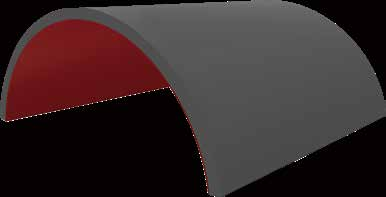
PRL-series plain rubber lagging for conveyor pulleys. Check drum diameter, face length, sheet dimensions and bonding-layer requirements before defining the installation scope.
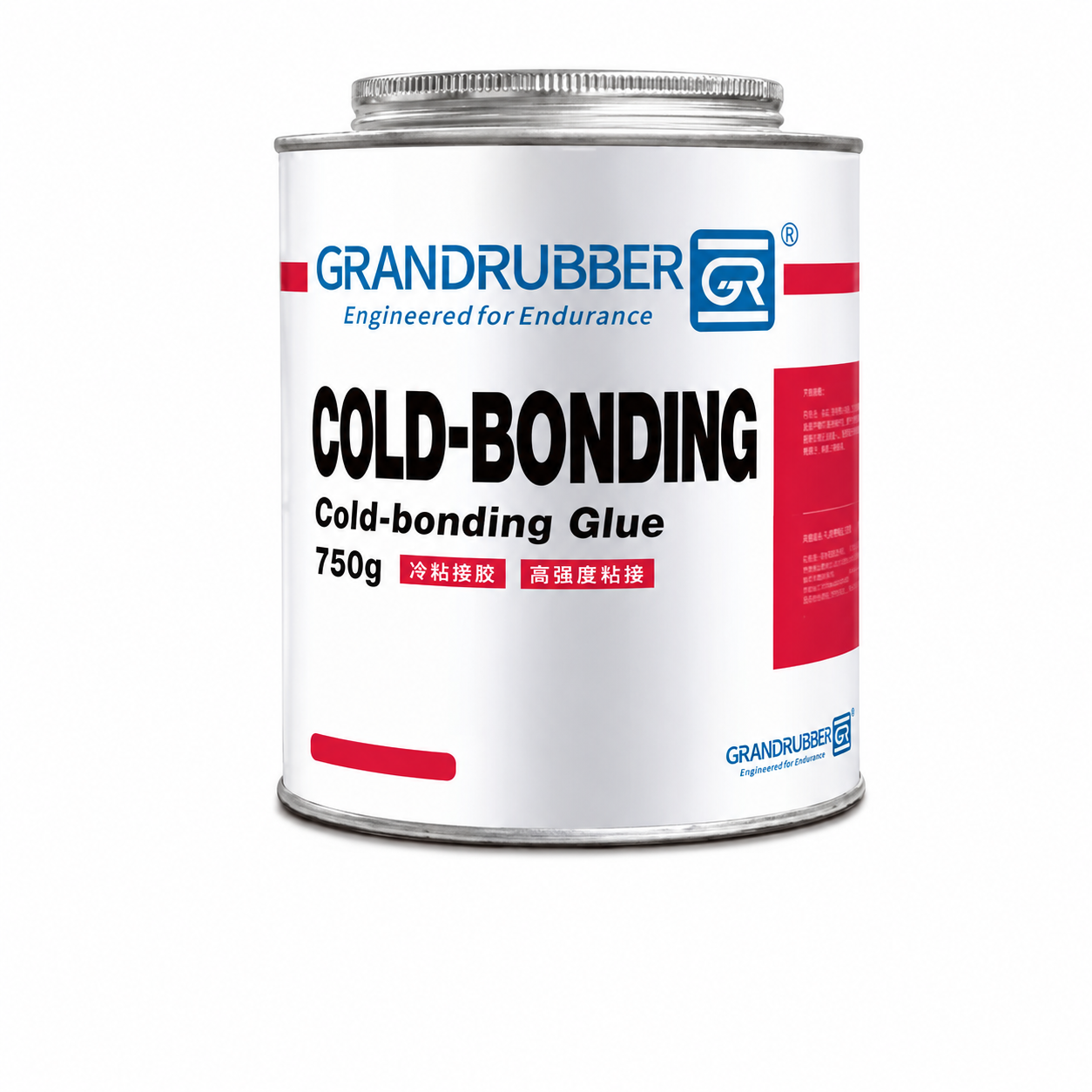
Adhesives, primers, hardeners and cleaners listed for cold-bonding systems. Confirm substrate compatibility, mixing and curing instructions, and obtain the applicable SDS before use.
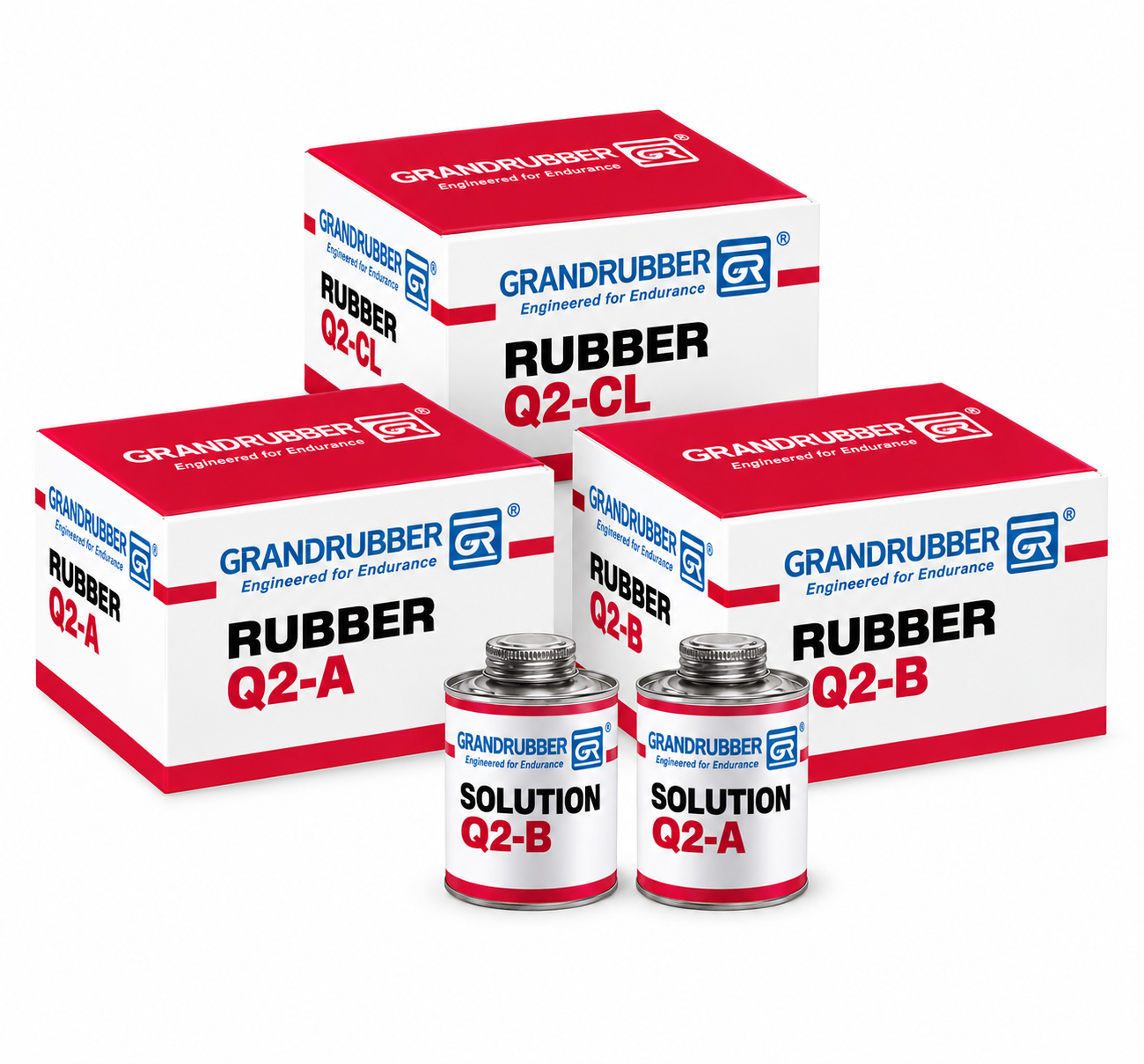
Q2 materials for assessing conveyor belt repairs. Describe damage depth, reinforcement exposure, contamination and operating temperature to review repair scope and return-to-service requirements.
Repair strips and patches in catalogue formats for conveyor belt maintenance. Match dimensions and bonding materials to the damage, including any exposed or affected reinforcement.
Cover rubber, tie gum, rubber solution and cord-fill materials for belt splicing. Select the matched system using the belt construction and controlled splice procedure.

Mechanical fastener families for conveyor belt joints. Confirm belt thickness, reinforcement, pulley size and the applicable approved rating before selecting the fastening system.
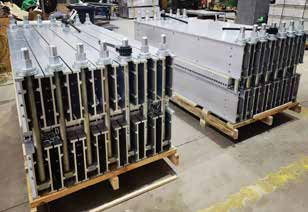
Equipment and tools listed for conveyor belt splice work. Verify platen dimensions, pressure rating, voltage and controls against the selected equipment model and approved splice procedure.
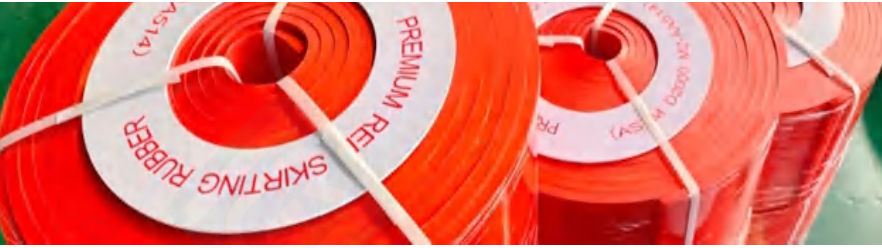
Rubber skirtboard sheet for conveyor transfer-point interfaces. Specify sheet dimensions, holder and contact conditions, then confirm the actual grade and property combination.
NEXT STEP / PRODUCT ENQUIRY
Conveyor Components & Maintenance Materials
This product is included automatically. Tell us your application, required dimensions or what you need to verify. Leave unknown details for review.
Open the full enquiry page →