
How should you distinguish white belts from thin fabric constructions?
White and thin describe different product questions. White appearance does not establish food-contact suitability, and a thin construction name does not define finished thickness, reinforcement or machine compatibility.
On this page
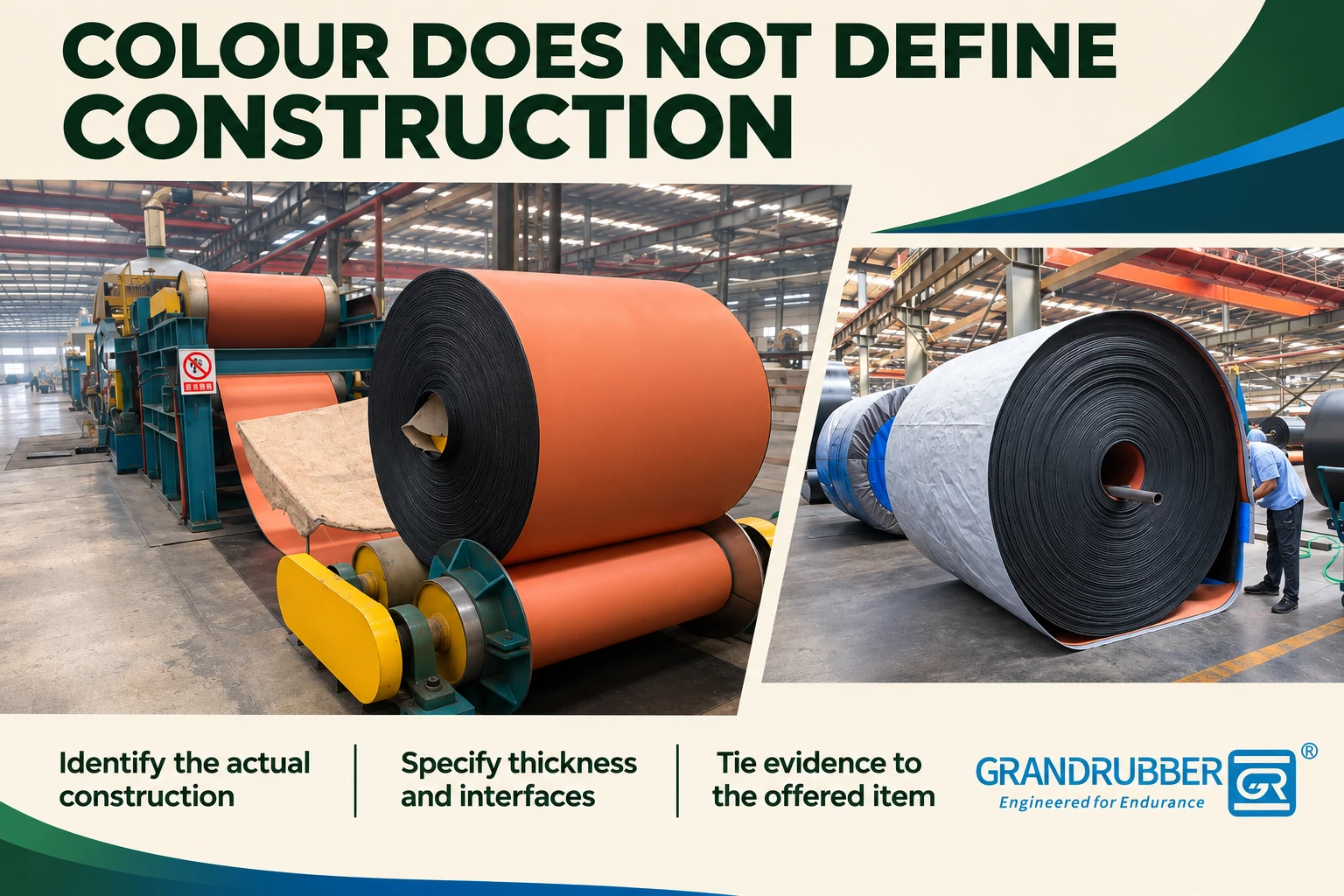 Open full-size image ↗
Identify the required face material, fabric construction and complete dimensions before comparing white or thin belts. Treat contact documentation and equipment interfaces as separate requirements. This guide distinguishes product subjects; it does not approve food contact or a machine conversion.
Separate colour, construction and intended contact
State why a white face is requested and what it contacts. Distinguish direct contact from packaged-product handling and identify cleaning and exposure requirements where relevant. White colour alone is not evidence of a particular compound or contact approval.
The visible general catalogue p12 contains the white-belt section, while p13’s right-hand section describes thin fabric constructions. The neighbouring left-hand tables concern pipe belts. They must not supply dimensions or reinforcement data for a thin-belt request.
Read the source categories without extending their scope
The first table preserves the distinction between white and thin constructions. The thin section lists fabric/face arrangements, including bare-fabric alternatives. A category description does not identify which arrangement is offered for the buyer’s machine.
Request the finished thickness, full reinforcement/face construction, dimensions and relevant equipment references. Draft white-belt dimension ranges are not confirmed offered sizes. Catalogue food-related wording is not a substitute for applicable complete documentation for the exact intended contact.
| Product | Confirmed source content | Still needed |
|---|---|---|
| White conveyor belt | NN/EP multi-ply carcass; white adhesive and cover; light-coloured handling | Actual dimensions, compound and applicable complete food-contact report if required |
| Thin conveyor belt | Four source-listed fabric/face structures; light-material handling | Finished thickness, strength, dimensions, pulley and approved structure drawing |
Worked example: a clean-looking belt is offered for another contact
Assume a hypothetical buyer changes from packaged-goods handling to direct product contact and receives a white-belt offer based on appearance. The compound and applicable contact evidence are not identified. No regulation, migration limit or approval is invented.
Ask the responsible buyer to state the actual contact requirement and obtain the offered-item evidence against it. Separately verify whether the construction suits the conveyor, pulleys and joining arrangement. A document request does not resolve mechanical fit, and a mechanical match does not establish contact suitability.
The second table turns that separation into a proposal record. Where the belt also needs a bare fabric face or a changed surface, have it declared explicitly rather than assuming that white and thin are interchangeable descriptions.
| Question | Evidence to request | Do not infer |
|---|---|---|
| Appearance | Offered face/material identity | Contact approval from colour |
| Contact | Applicable complete document and conditions | Universal food suitability |
| Construction | Fabric, faces and finished dimensions | Thickness from a category name |
| Equipment | Applicable interface review | Fit from a neighbouring table |
Request a complete face-and-construction proposal
Send the contact/use description, construction requirements and equipment information through the relevant white- or thin-belt enquiry. Ask for one offered specification with documented face materials, dimensions, supporting evidence and departures.
Keep the applicable document scope and accepted construction revision with the order. This guide does not claim that every white belt is food-approved, every thin belt suits a small pulley or every source-listed option is available in combination.
Buyer FAQ
Does white colour mean food grade?
No. Obtain the applicable evidence for the exact offered material and intended contact conditions.
Can a thin belt use the pipe-belt dimensions on the same page?
No. The visible headings identify different products; request the actual thin-belt construction and dimensions.
Does a bare-fabric face identify which side contacts the product?
Confirm both faces and orientation in the offered construction. Do not infer the intended face from a category name.
Can a draft white-belt size be ordered as a confirmed range?
Confirm the actual offered dimensions and construction. The draft range is not an accepted product specification.
Does this guide select the minimum pulley diameter?
No. Provide the equipment information and request the applicable construction-specific assessment.
Related technical resources
Related products
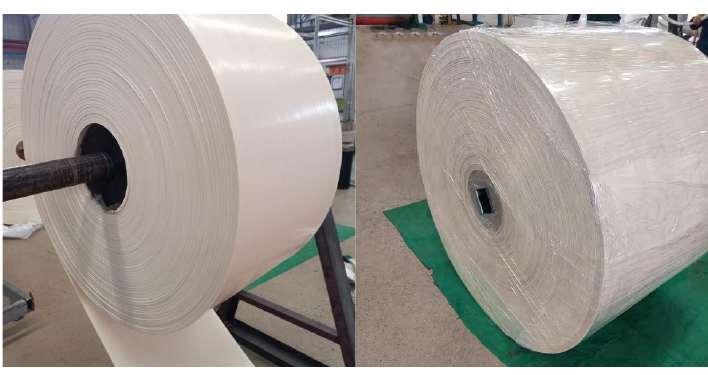 White Conveyor BeltsWhite rubber conveyor belts for product-handling applications. Specify carcass, covers and cleaning conditions, and request applicable original evidence for any direct food-contact requirement.
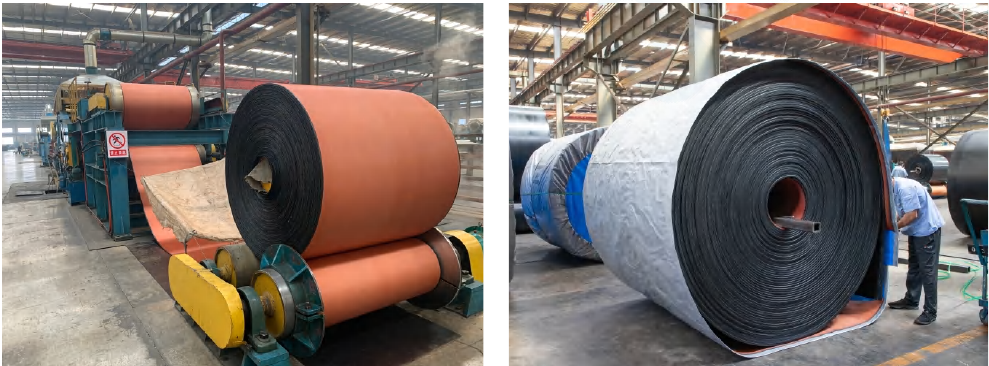 Thin Conveyor BeltsThin conveyor belt constructions for equipment-specific handling. Check thickness, reinforcement, pulley geometry and installation dimensions against the selected source construction and equipment drawing.
Document and page references
- Catalogue_GRAND_RUBBER.pdf, PDF pp12,13: Visually identified white section and thin right-hand section; pipe tables excluded.
- Decision tables, hypothetical examples and follow-up questions are editorial purchase-review aids; they are not customer cases, site instructions or technical approval.
- Catalogue contact-marketing claims and historical DOCX white dimensions are not adopted as approval or confirmed supply.
Download the reference tables
Source-labelled review extract. Historical references remain historical; this is not a formal TDS, certificate or current availability confirmation.
Download guide tables CSV